







CLOUD AND AI NETWORKING Fast-track connectivity, capacity, and success
Fast-track connectivity, capacity, and success

SKT

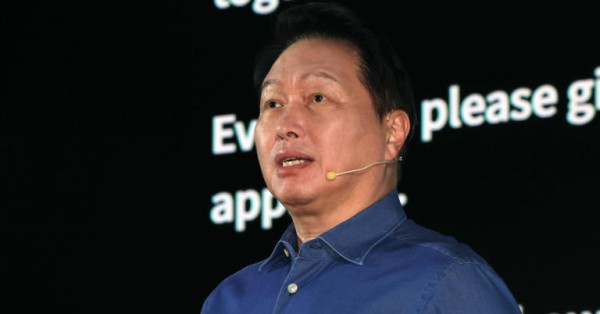
Reports indicate SK Group will reduce executive ranks by up to 30%, a move that would reshape decision-making across affiliates including SK Telecom (SKT). For SKT, which sits at the nexus of the group’s AI, cloud, and connectivity ambitions, executive trims would concentrate authority and compress approval chains at a
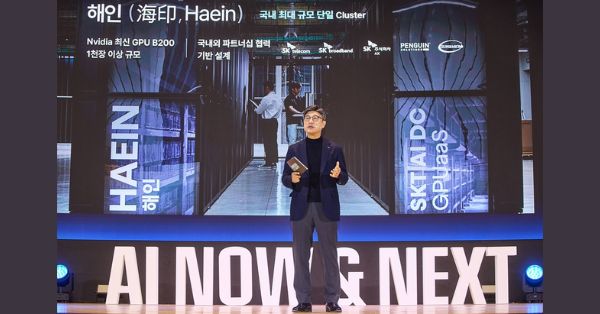
At SK AI Summit 2025, CEO Jung Jaihun outlined plans to expand the Ulsan artificial intelligence data center (AIDC) to 1GW-class capacity, stand up a nationwide trio of hubs (Gasan in the Seoul metro, Ulsan in the south, and a new southwest site), and take the model into Southeast Asia
South Korea is funding a national AI stack to reduce dependence on foreign models, protect data, and tune AI to its language and industries. The government has committed ₩530 billion (about $390 million) to five companies building large-scale foundation models: LG AI Research, SK Telecom, Naver Cloud, NC AI, and
The telecom sector once hailed AI as a game-changer, but is it delivering? This article explores why many operators report low ROI on AI tools, and how legacy systems, cultural resistance, and regulatory hurdles stall adoption. Despite challenges, AI shows targeted promise in predictive maintenance, fraud detection, and 5G network
SK Telecom is partnering with VAST Data to power the Petasus AI Cloud, a sovereign GPUaaS built on NVIDIA accelerated computing and Supermicro systems, designed to support both training and inference at scale for government, research, and enterprise users in South Korea. By placing VAST Data's AI Operating System at
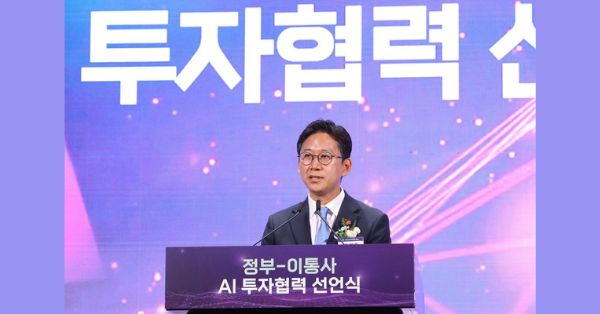
South Korea's government and its three national carriers are aligning fresh capital to speed AI and semiconductor competitiveness and to anchor a private-led innovation flywheel. SK Telecom, KT, and LG Uplus will seed a new pool exceeding 300 billion won (about $219 million) via the Korea IT Fund (KIF) to
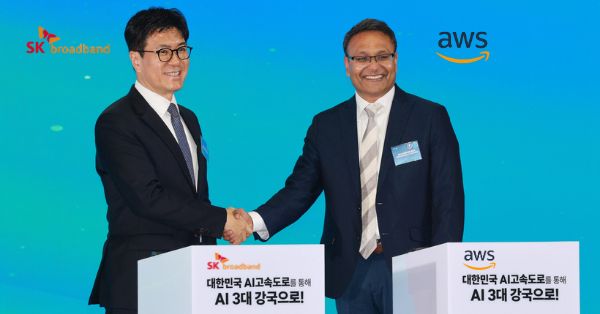
SK Group and AWS are partnering to build South Korea’s largest AI data center in Ulsan with a $5.13 billion investment. The facility will launch with 60,000 GPUs and 103 MW capacity, expanding to 1 GW, creating up to 78,000 jobs. This milestone boosts South Korea’s AI leadership, data sovereignty,
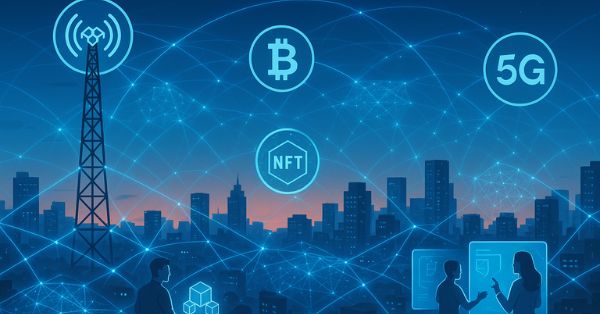
Web3 is redefining the telecom industry by introducing decentralized infrastructure, blockchain-based billing, smart contracts, NFTs, and digital identity. This article explores how telcos can evolve from connectivity providers to key players in Web3 ecosystems—offering programmable services, token economies, and secure, user-centric digital experiences.
The recent SK Telecom data breach, termed the industry's worst by CEO Ryu Young-sang, led to a massive customer exodus and highlighted urgent cybersecurity needs. With 70,000 users lost, the telecom giant faces financial and legal challenges, emphasizing the critical role of robust data security measures.
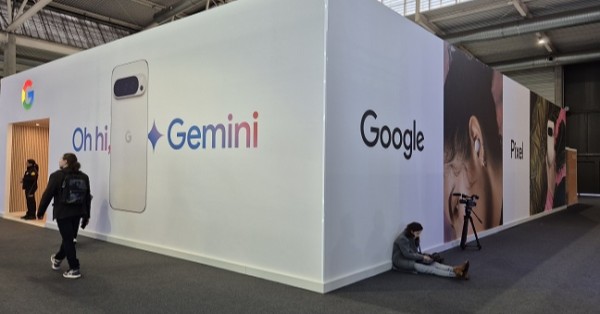
SK Telecom’s AI assistant, adot, now features Google’s Gemini 2.0 Flash, unlocking real-time Google search, source verification, and support for 12 large language models. The integration boosts user trust, expands adoption from 3.2M to 8M users, and sets a new standard in AI transparency and multi-model flexibility for digital assistants
The telecom industry is in the midst of a major shift from “telco” to “techco”, with operators investing in AI, 5G, cloud computing, and digital services to compete with tech giants like Amazon and Google. At MWC 2025, leaders from e&, KDDI, MTN, and SK Telecom discussed their AI-driven strategies,
The GSMA Foundry has launched Open-Telco LLM Benchmarks, an open-source AI evaluation framework designed to enhance telecom-specific large language models (LLMs). Supported by Hugging Face, The Linux Foundation, Deutsche Telekom, SK Telecom, and more, this initiative aims to improve AI efficiency, security, and compliance in 5G and 6G networks. Learn
Fast-track connectivity, capacity, and success

TeckNexus Newsletters

I acknowledge and agree to receive TeckNexus communications in line with the T&C and privacy policy

Whitepaper
Private cellular networks are transforming industrial operations, but securing private 5G, LTE, and CBRS infrastructure requires more than legacy IT/OT tools. This whitepaper by TeckNexus and sponsored by OneLayer outlines a 4-pillar framework to protect critical systems, offering clear guidance for evaluating security vendors, deploying zero trust, and integrating IT,...
Whitepaper
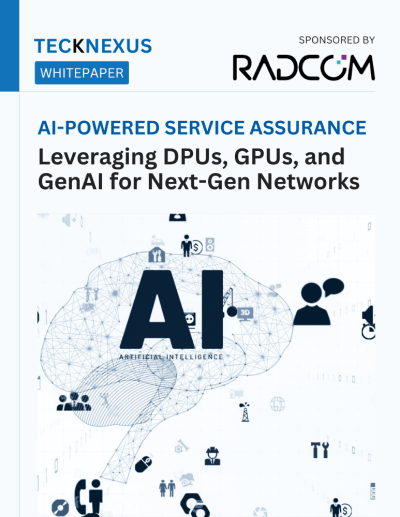
Telecom networks are facing unprecedented complexity with 5G, IoT, and cloud services. Traditional service assurance methods are becoming obsolete, making AI-driven, real-time analytics essential for competitive advantage. This independent industry whitepaper explores how DPUs, GPUs, and Generative AI (GenAI) are enabling predictive automation, reducing operational costs, and improving service quality....
Whitepaper
Explore how Generative AI is transforming telecom infrastructure by solving critical industry challenges like massive data management, network optimization, and personalized customer experiences. This whitepaper offers in-depth insights into AI and Gen AI's role in boosting operational efficiency while ensuring security and regulatory compliance. Telecom operators can harness these AI-driven...
Supermicro and Nvidia Logo
CLOUD AND AI NETWORKING Fast-track connectivity, capacity, and success Accelerate growth and monetize AI applications with industry-leading scale, simplified operations, and proven experience
CLOUD AND AI NETWORKING Fast-track connectivity, capacity, and success
Scroll to Top

Private Network Security

4 Pillars for Securing Private 5G, LTE and CBRS Cellular Networks