
O2–Starlink Direct-to-Cell: Extending UK Mobile Coverage
Virgin Media O2 has struck a multi‑year agreement with Starlink Direct to Cell to deliver satellite‑to‑mobile service across rural UK not‑spots, positioning O2 as the first British operator to integrate Starlink’s constellation with licensed mobile spectrum.
Deal Highlights and Timeline
Branded as O2 Satellite, the service will initially support messaging and basic data on existing smartphones when users move beyond terrestrial signal. Voice and higher‑bandwidth apps are expected later as the constellation and software evolve. O2 is targeting landmass coverage beyond 95% within a year of launch, using Starlink’s 650+ low‑Earth orbit satellites to act as “cell sites in space.” Customer rollout is planned for early 2026, with pricing to follow and an extra monthly fee anticipated.

This direct‑to‑cell pact is separate from O2’s ongoing use of Starlink for satellite backhaul at remote sites under the Shared Rural Network (SRN) program. It complements O2’s network investment profile—about £2 million per day—and follows its agreement to acquire 78.8 MHz of spectrum from Vodafone UK, lifting O2’s holdings to roughly 30% of UK mobile spectrum. O2 also began lighting up a high‑capacity “Giga Site” in London as part of broader capacity upgrades.
How Direct-to-Cell Works
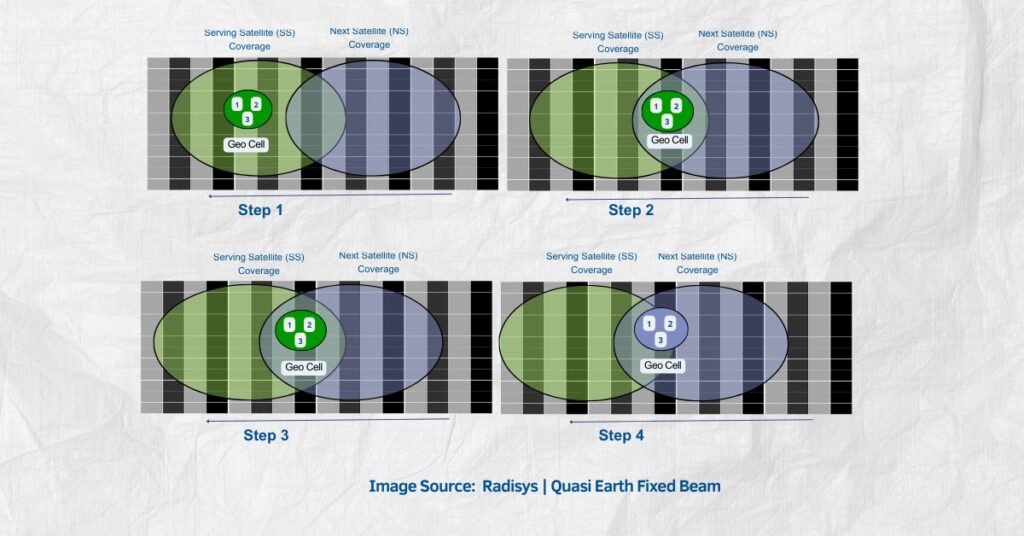
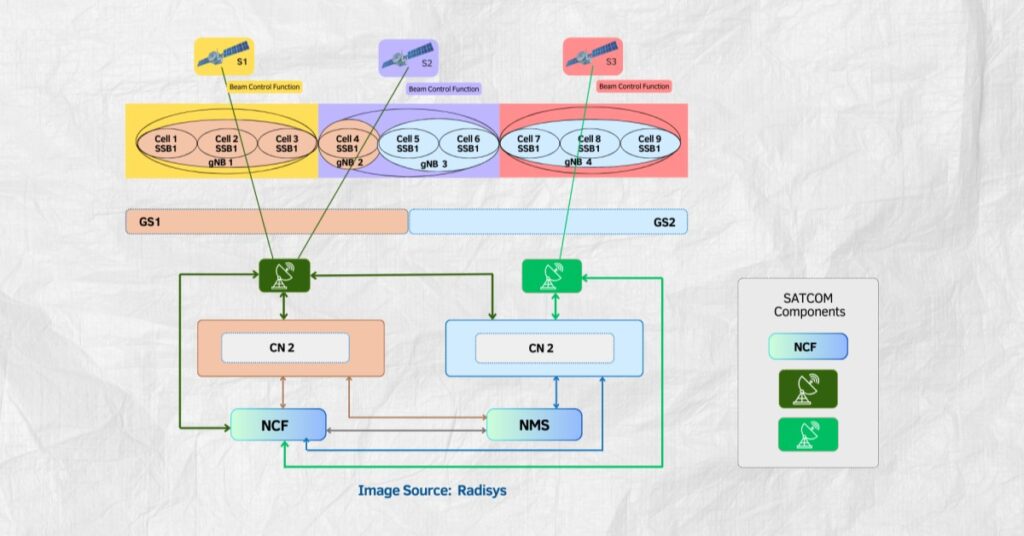
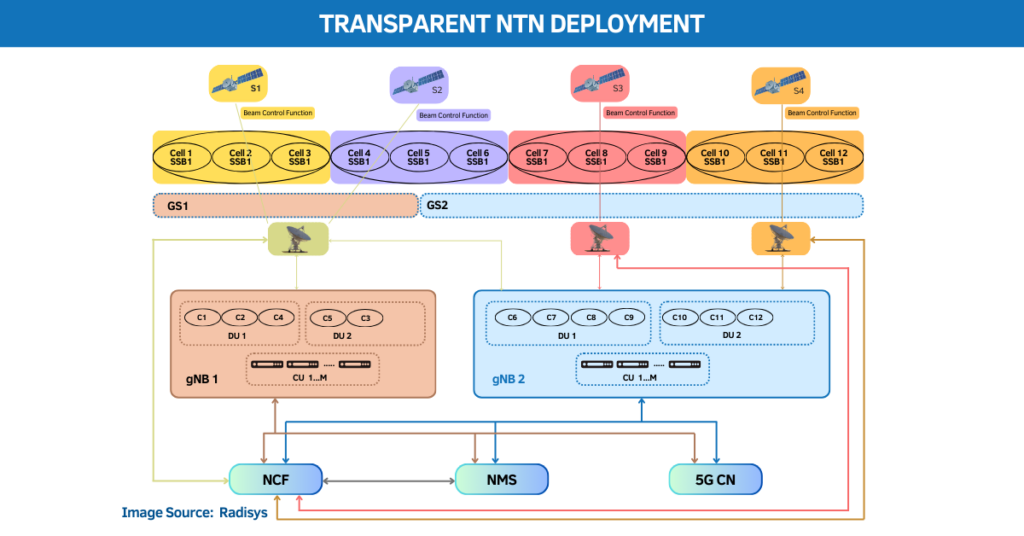
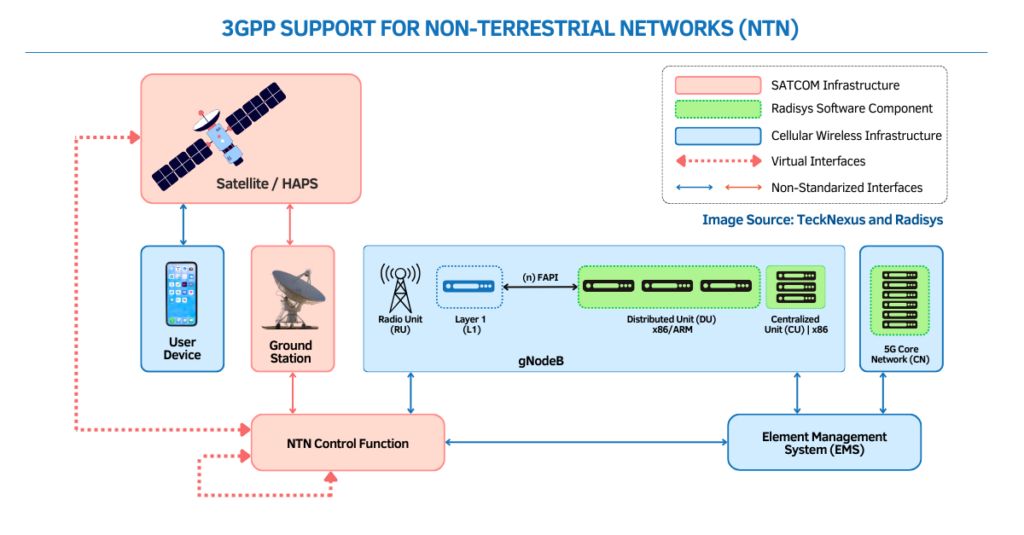
Starlink’s satellites broadcast using portions of O2’s licensed spectrum and present as a roaming partner to the mobile core. Phones connect automatically when terrestrial coverage drops out, starting with prioritized apps like native messaging and maps. Expect incremental feature support as firmware, standards, and satellite payloads advance. Latency should be similar to LEO broadband (tens of milliseconds), but throughput will be constrained at launch given link budgets and limited spectrum reuse in space.
Why O2–Starlink Matters for UK Connectivity
The move blends network economics with customer experience, accelerating rural reach without waiting for new towers, power, or fiber backhaul.
Coverage Economics and SRN Commitments
SRN builds have reduced partial not‑spots, but complete landmass coverage is costly at the network edge. Direct‑to‑cell offers a pragmatic overlay for safety, messaging, and low‑rate apps, especially for agriculture, utilities, coastal users, and outdoor recreation. It can also harden resilience when storms or power outages knock out ground sites. O2’s plan aligns with UK policy goals to narrow the rural digital gap and improve availability for emergency communications.
Competition and NTN Standards Progress
Globally, operators are racing to pair terrestrial networks with satellite partners. Vodafone Group has backed AST SpaceMobile; Lynk Global has MNO pilots; Apple uses Globalstar for device‑specific emergency messaging. O2’s first‑mover UK position with Starlink raises competitive pressure on EE, Three, and Vodafone UK to finalize their own direct‑to‑device roadmaps. Expect acceleration as 3GPP Release‑17/18 Non‑Terrestrial Networks (NTN) profiles mature for LTE/NR, improving device interoperability, mobility management, and power efficiency.
Key Technical and Regulatory Watchpoints
Delivery at scale hinges on device support, capacity management, and Ofcom approvals for space‑to‑ground use of licensed spectrum.
Device and App Support Requirements
Starlink Direct to Cell is designed to work with standard LTE phones, but real performance depends on chipset updates, RF front‑end tolerances, and OS support. O2 says launch will prioritize high‑demand apps like messaging and maps; over‑the‑top voice may function but will be variable at first. Enterprises should validate critical apps, battery impact, and fallback behavior across device fleets. Expect staged enablement by OEM and OS version, with roaming‑like prompts minimized for a seamless user experience.
Capacity, QoS, and Policy Controls
Spaceborne cells have tight capacity and unique interference constraints. Operators will need strict policy enforcement: app whitelisting, rate limits, session durations, and time‑of‑day controls. Fair‑use policies are likely to avoid congestion, informed by Starlink’s broader network management experience. Integration with PCRF/PCF, IMS for future VoLTE over NTN, and location services for E112 compliance will be key milestones. Back‑end analytics should flag misuse, automate throttling, and prioritize safety‑critical traffic.
Spectrum Use and Ofcom Approvals
Using terrestrial spectrum for space‑to‑ground requires license variations and coordination to protect other services. Ofcom has been consulting on Supplemental Coverage from Space/NTN frameworks; final conditions will govern power flux density, interference management, and cross‑border coordination. Watch for guidance on lawful intercept, data retention, and emergency services access, as well as coexistence with fixed links and neighboring bands. Any constraints will shape the service footprint and feature roadmap.
Enterprise and Public Sector Impacts
Direct‑to‑cell opens practical off‑grid continuity for field operations without new hardware, but it needs disciplined rollout and testing.
Priority Use Cases and Sectors
High‑value scenarios include lone‑worker safety, work orders in agriculture and forestry, outage coordination for utilities, coastal and inland waterways operations, rail maintenance in cuttings and tunnels near portals, and incident response. Logistics can benefit from location updates and exception alerts in signal deserts. Public safety can gain off‑grid messaging redundancy as a complement to Airwave/ESN paths, subject to policy and security review.
Procurement and Risk Management Guidance
Enterprises should add satellite‑aware profiles to mobility contracts, define app allowlists for satellite sessions, and enforce MDM policies for data minimization. Pilot with representative devices and accessories (e.g., ruggedized handsets) in real terrain and weather. Update business continuity plans for off‑grid check‑ins and critical alerting. Budget for a per‑user fee and monitor any congestion‑zone pricing dynamics, noting Starlink’s history of location‑based demand management on consumer plans.
Strategy Takeaways and Next Steps
This tie‑up is less about headline speeds and more about dependable reach, policy control, and smart integration with the terrestrial network and standards roadmap.
Guidance for Operators
NTN is becoming table stakes for rural differentiation and resilience. Prioritize standards‑based integration to avoid device fragmentation, design strict satellite policy frameworks from day one, and align with SRAN/RIC strategies to optimize handover and capacity. Watch competitor alliances and keep options open for multi‑orbit partners.
Guidance for Enterprises
Treat satellite as a targeted extension, not a broadband replacement. Start with safety and messaging, validate workflows end‑to‑end, and set clear usage and cost controls. Bake satellite coverage into SLAs for field operations and incident response, and track device support by OEM/OS.
Guidance for Vendors and Partners
Focus on NTN‑ready chipsets, power‑aware protocol stacks, policy/charging integration, and app optimization for intermittent, low‑throughput links. Security, lawful intercept compliance, and accurate location over NTN will be differentiators.