Nokia may no longer be a phone manufacturer, but its iconic brand could soon reappear on new devices. With its long-running partnership with HMD Global nearing its end, the Finnish company has quietly signaled it’s open to new brand licensing agreements—potentially paving the way for a third-party revival of the Nokia mobile name.
This time, the announcement didn’t come via a flashy product launch or press release. Instead, it surfaced through an understated Reddit response from a verified Nokia Community Manager, confirming that the company is “actively looking for a large-scale mobile manufacturer” to explore new collaboration opportunities.
So, what does this mean for the Nokia brand, and is there still hope for a real comeback?
The End of an Era: Nokia and HMD Global Part Ways
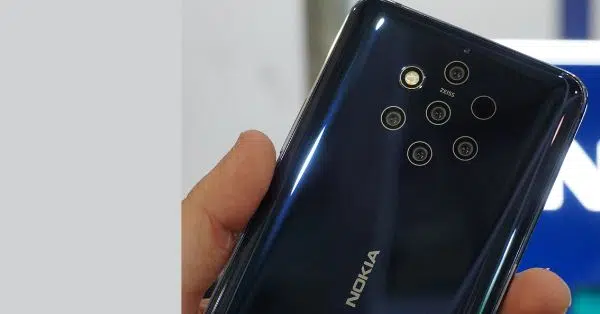
Since 2016, HMD Global has held the exclusive license to produce Nokia-branded phones. Comprised largely of ex-Nokia personnel and equipped with access to legacy patents, HMD attempted to revive the brand through nostalgia-driven releases like the rebooted Nokia 3310 and experimental efforts such as the Nokia 9 PureView.
Despite these efforts, momentum dwindled. HMD gradually pivoted to mid-range and repairable phones while dropping its U.S. smartphone operations due to economic and geopolitical challenges. In 2024, it began releasing smartphones under its own name, further signaling the beginning of the end for Nokia-branded devices from HMD.
The licensing deal between HMD and Nokia is set to expire in 2026, leaving the brand’s future wide open.
Nokia’s New Licensing Pitch: Searching for a New Partner
According to the Nokia representative’s Reddit post, the company is still committed to leveraging its brand equity—but now it’s looking for a new partner capable of handling large-scale manufacturing and distribution. While Nokia has shifted its core focus to network infrastructure and software, it continues to maintain an active brand licensing program, suggesting that its mobile story isn’t quite over.
The tone of the message implies flexibility. Nokia isn’t rushing back into the hardware space, but it’s leaving the door open for a capable partner that can meet its expectations in scale, quality, and vision.
Why Licensing Still Matters for Nokia
Nokia’s legacy still resonates in many parts of the world, especially among users who associate the brand with reliability, durability, and innovation. While its relevance among Gen Z and younger consumers may have declined, the name retains cultural and commercial value—particularly in emerging markets and among nostalgic users.
Brand licensing allows Nokia to capitalize on this residual equity without re-entering the volatile mobile manufacturing space. For Nokia, this approach has clear advantages:
-
No operational overhead: Avoids the complexities of designing, manufacturing, and marketing hardware.
-
Steady revenue stream: Generates royalties while keeping the brand visible in consumer markets.
-
Strategic alignment: Allows Nokia to stay focused on its core businesses, such as 5G, Telco Cloud, and Network Automation.
Could a New Manufacturer Succeed Where Others Failed?
This would be Nokia’s third major licensing attempt in just over a decade. The first, with Microsoft, ended in a failed acquisition and a complete exit from smartphones. The second, with HMD, had initial promise but failed to keep pace with market leaders like Apple, Samsung, and aggressive Chinese OEMs such as Xiaomi, Oppo, and Vivo.
So why try again?
A new licensing partner, ideally a larger OEM with deeper R&D and marketing resources, could potentially reimagine the Nokia brand for today’s market. For example, a manufacturer with existing scale in Asia or Latin America might find value in launching feature phones or entry-level smartphones under the Nokia name. Others might use Nokia as a sub-brand targeting niche segments such as rugged phones, seniors, or minimalist devices.
Still, success won’t come easy. Any future licensee would need to:
-
Invest heavily in marketing and product development
-
Differentiate Nokia-branded devices from competitors
-
Offer consistent software support and hardware innovation
-
Navigate privacy, security, and sustainability concerns that are now standard for modern OEMs
What Kind of Devices Might Carry the Nokia Name Again?
Nokia hasn’t disclosed whether its next licensing deal would cover smartphones, feature phones, or other device categories. However, given the brand’s heritage and previous licensing models, the possibilities include:
-
Entry-level and mid-range smartphones for emerging markets
-
Feature phones with 4G or 5G support targeting older users or digital minimalists
-
Specialty devices, such as secure phones for enterprise or government use
-
IoT devices, wearables, or accessories where the Nokia name could signal quality and trust
Additionally, there’s the potential for future tie-ins with Private Networks and IoT offerings, expanding Nokia-branded devices into industrial and enterprise use cases.
Is There Really a Market for a Nokia Comeback?
The question isn’t just whether Nokia wants back in—it’s whether consumers care.
Polls show mixed sentiment. While some users express strong nostalgia, others argue that the Nokia name has lost its luster. Younger consumers often gravitate toward brands that offer cutting-edge camera tech, foldable form factors, or ecosystem integration. Still, a comeback isn’t impossible.
Several smaller brands have successfully revived older names—Motorola under Lenovo, or Alcatel via TCL, for example. If executed strategically, a Nokia comeback could resonate with budget-conscious users looking for reliable alternatives.
Looking Ahead: Legacy, Licensing, and Possibility
For now, Nokia’s mobile legacy hangs in the balance. The company hasn’t named any new partners, and no new hardware roadmap has been announced. But the message is clear: Nokia is open for business—at least, its name is.
What happens next depends on who steps up to take the reins. If a capable, visionary manufacturer answers Nokia’s call, the iconic badge could once again appear in stores and in users’ hands.
Whether it becomes a full-scale revival or a niche brand reboot, the Nokia story isn’t over. And for fans of the once-dominant phone maker, that might be enough to keep the hope alive.