
The telecom industry is entering a defining era—one where knowledge, intelligent automation, and real-time digital engagement reshape how businesses operate and scale. As global industries accelerate into a hyper-connected future, the telecom B2B market is positioned to become a primary engine of enterprise innovation and digital transformation.
Predictions show the B2B telecom market growing to $181.35 billion by 2030, expanding at a CAGR of 14.8%. Private 5G networks are projected to grow even faster—between 40% to 60% CAGR, driven by use cases in manufacturing, healthcare, smart cities, logistics, and energy. Meanwhile, enterprise demand for cloud, cybersecurity, IoT, blockchain, and AI services is expected to nearly triple by 2030.

These shifts signal a structural industry transformation: telcos must evolve from connectivity vendors to trusted digital partners.
The Shift: From Network Providers to Business Innovation Enablers
Historically, operators focused on infrastructure and network services. But today, enterprise customers expect more—platforms, automation, intelligence, and end-to-end integration that support real-time commerce, secure data exchange, and industry-specific digital workflows.
To succeed, Telco’s must:
- Deliver solutions rather than just connectivity
- Build industry-specific services and value-based pricing
- Modernize enterprise operating models
- Simplify architectures with composability and integration-first thinking
This evolution calls for scalable business operations, new capabilities, and digitally optimized processes.
The Role of GBS (Global Business Services)
As Telco’s expand B2B operations, GBS becomes a critical platform—not just for support but to accelerate capability building and transformation.
A modern GBS framework enables:
- Scalable enterprise architecture and processes
- Centralized onboarding and lifecycle management
- Shared AI-driven sales and commerce platforms
- Standardized governance and compliance
- Faster innovation cycles through automation and reusable digital components
GBS creates a foundation where telcos can focus on core value creation rather than operational complexity.
The Strategic Role of AI in Telecom
Artificial Intelligence is no longer optional—it is foundational.
Six strategic AI pillars define how telecom operators will embed and operationalize intelligence across infrastructure and commercial models:
| Pillar | Purpose |
| AI Ops | Self-healing, predictive, autonomous network operations |
| Edge AI | Low-latency decisions for mission-critical use cases |
| LLMs & AI Agents | Automation for provisioning, support, configuration, and commerce |
| AI-as-a-Service | Enterprise-ready modular AI tools via APIs and marketplace models |
| Governance & Compliance | Ethical, secure, transparent deployments |
| Experience Intelligence | Highly personalized customer journeys and operations |
These pillars turn networks into learning systems—predictive, adaptive, and programmable.
The Technology Foundation: Composable and API-First
Business success will depend on telcos’ ability to deploy platforms that are:
- Modular
- Configurable
- Scalable
- Interoperable
Composable commerce allows Telco’s to rapidly launch new enterprise offerings—from IoT bundles to AI-powered workflows—with shorter innovation cycles and lower operational cost.
Key enablers include:
- Lightning-fast customer onboarding
- Robust CRM, provisioning, and fulfillment engines
- API-first commerce, pricing, campaign, and inventory systems
- Digital asset management with frictionless product launch workflows
- Advanced bundle configurators supporting complex enterprise deployments
In this model, telcos offer more than products—they offer ecosystems.
Monetization Pathways: The New Revenue Engine
Innovation alone is not the goal—scalable monetization is.
Emerging revenue models include:
| Model | Value Proposition | Revenue Potential |
| Open Gateway APIs | Developer access to carrier-grade services | Subscription, usage-based, platform fees |
| AI for Enterprise | Vertical intelligence, automation, fraud detection, security | High-value SaaS streams |
| AI for Consumers | Personalized services and digital assistance | Upselling and bundling models |
| Network-as-a-Platform | Programmable infrastructure with on-demand capabilities | Ecosystem monetization and marketplace transactions |
These pathways represent a shift from transaction-based revenue to recurring and ecosystem-driven models.
The New Telecom Identity: Trusted Digital Transformation Partner
The real opportunity in telecom isn’t just upgrading networks—it’s enabling digital-first business transformation.
Leading telcos will become:
- AI-native platforms
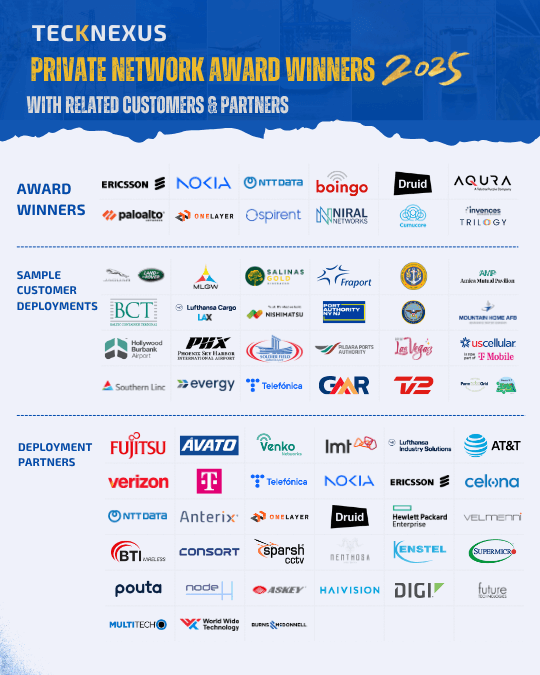
- Private network orchestrators
- Enterprise solution consultants
- Secure data and identity platforms
- Real-time commerce enablers
- API-based innovation ecosystems
In this role, Telco’s evolve from service providers to strategic long-term industry partners.
Conclusion
The telecom B2B landscape is undergoing a profound transformation driven by AI, private 5G, cloud-native platforms, and the evolution of enterprise digital expectations. Operators that embrace composability, automation, intelligence, and ecosystem monetization will lead the next decade of innovation. Those who remain only network providers risk being left behind.