Light Reading | Mar 18 | Industry Analysis
Reliance Jio: CEO signals an AI push to defend market leadership in India
Light Reading reports that the CEO of Jio Platforms is committing Reliance Jio to compete aggressively in AI while referencing Jio’s rapid scale-up since its 4G launch; no concrete AI technology, deployment details, or partners are specified.
Key takeaway: Use AI to reinforce platform competitiveness, improve service differentiation, and maintain subscriber and revenue leadership in India.
Communications Today | Mar 18 | Industry Analysis
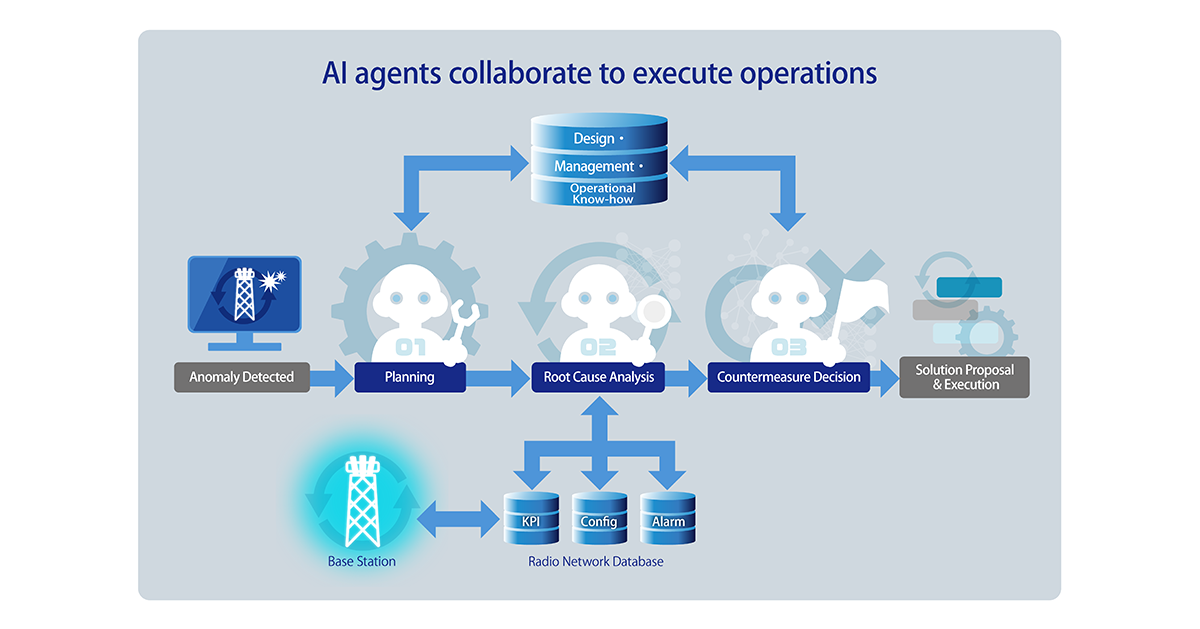
GSMA: Industry shifts toward agentic AI and autonomous networks at MWC 2026
MWC 2026 discourse emphasized agentic AI progressing toward autonomous networks, marking a shift from MWC 2025's focus on outcome-based automation.
Key takeaway: Guide industry alignment on intelligent, autonomous network operations using agentic AI frameworks.
Light Reading | Mar 17 | Industry Analysis
Ericsson: Diverges from Nokia on AI-RAN strategy
Light Reading reports that Ericsson and Nokia are taking notably different approaches to applying AI in the RAN, with operator voices (including BT and Verizon) highlighting AI’s role in network operations. The divergence signals contrasting product and deployment strategies for AI-enabled RAN features.
Key takeaway: Strengthen competitive positioning and win operator engagements by focusing AI capabilities on RAN performance, efficiency, and automation.
The Economic Times Telecom | Mar 17 | Industry Analysis
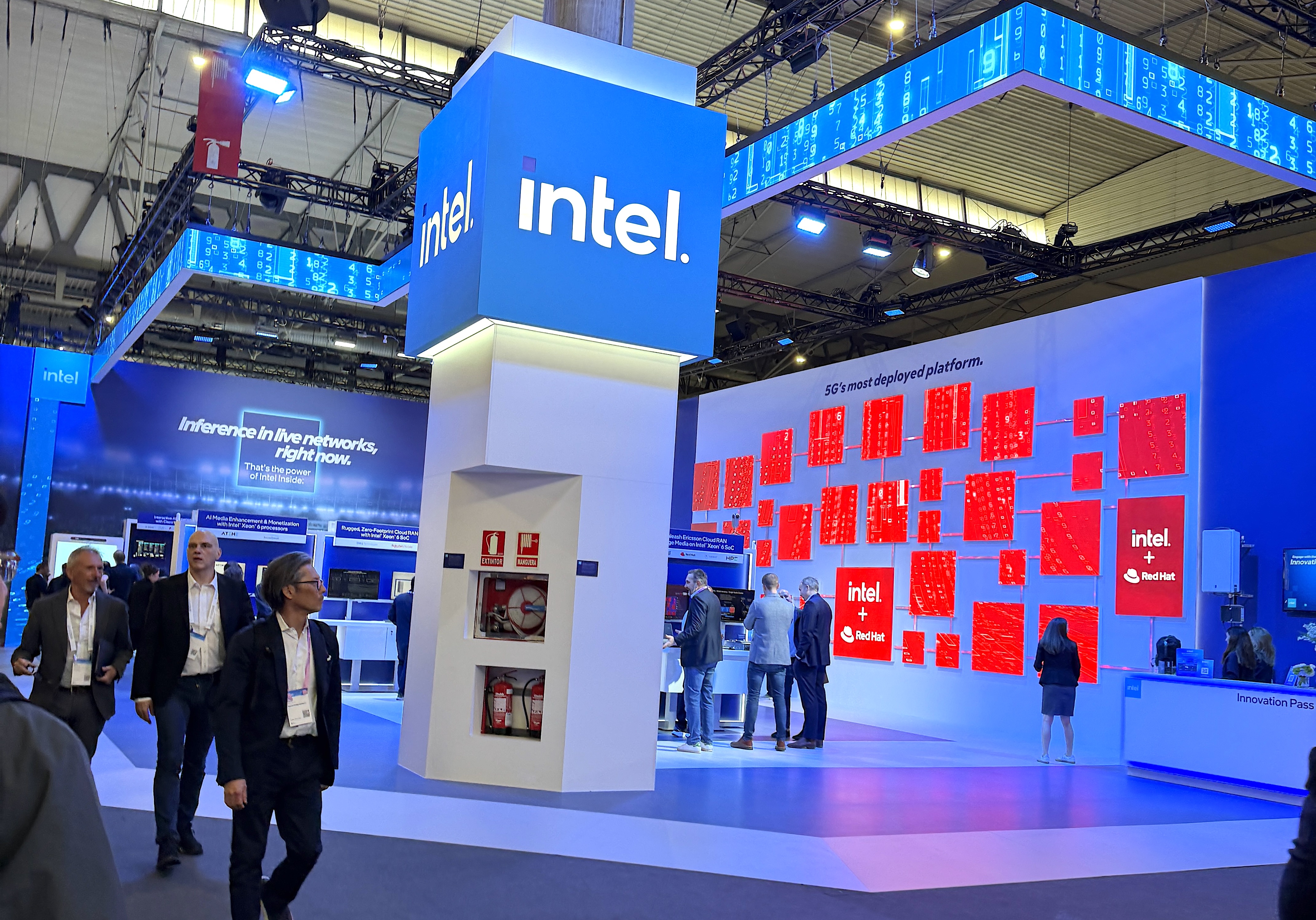
Ericsson: Leads 6G intelligent fabric push at MWC 2026 with AI-native RAN/core demos and partner validations
At MWC Barcelona 2026, Ericsson showcased AI-native 6G building blocks and interoperability work with device, silicon, and compute partners, progressing from 5G Standalone/5G Advanced toward an 'intelligent fabric' with AI embedded across radios (via Ericsson Silicon), RAN compute, transport, OSS/BSS, and the core. The company highlighted collaboration with Intel to accelerate AI-driven RAN and packet core use cases and platform security, and participation in the Linux Foundation's OCUDU initiative. The activities align with 3GPP’s first implementable 6G specifications targeted for 2029 and emphasize enhanced uplink and energy efficiency to support GenAI, agentic AI, and physical AI applications.
Key takeaway: Establish a globally scalable AI-native 6G foundation through silicon integration and ecosystem interoperability across RAN, core, and cloud.
Fierce Wireless | Mar 17 | Industry Analysis
T-Mobile & Nvidia: Push physical AI to the network edge
At Nvidia GTC, T-Mobile and Nvidia outlined plans to deliver 'physical AI' workloads at telco edge locations (e.g., radio towers, central offices), leveraging T-Mobile’s network footprint to host low-latency AI inference close to users and data sources.
Key takeaway: Leverage telco edge sites to offer AI compute/inference services in partnership with Nvidia, capturing enterprise edge AI demand with lower latency and localized data processing.
RCR Wireless News | Mar 16 | Industry Analysis
Microsoft: 'Agility is money' as agentic AI rewrites Vodafone B2B cycle
Microsoft highlighted the use of cloud-based agentic AI to compress Vodafone’s B2B cycle, indicating deployment of AI agents on Azure to streamline enterprise sales and service processes; references to AT&T, T-Mobile, and Telefónica suggest broader operator interest.
Key takeaway: Anchor telecom enterprise workflows on Azure and Azure AI by proving measurable cycle-time reductions with agentic AI, creating a repeatable model for other operators.
People’s Daily Online | Mar 16 | Industry Analysis
IDC: Highlights China's leadership in integrating AI into devices and telecom infrastructure
At MWC 2026, IDC's VP for data and analytics stated that Chinese vendors are extending AI from software into hardware (e.g., AI-enabled devices such as "robot phones"), with generative AI and context-aware automation entering smartphones and smart devices; AI is also moving into communications infrastructure and enterprise workflows, with computing power networks seen as enablers for new monetization models; China’s supply chain depth, talent base, and rapid consumer adoption underpin this trajectory despite external restrictions.
Key takeaway: Provide market guidance that AI is shifting from software-centric to device- and network-embedded implementations, with China as a primary locus for deployment and commercialization.
Asian Business Review | Mar 15 | Industry Analysis
Asian Business Review: 6G seen as backbone for AI economy
Asian Business Review reports that 6G is being framed as foundational infrastructure for the AI economy, with generative AI use cases already increasing network traffic. The piece offers a macro view without citing specific vendors, spectrum bands, or deployments.
Key takeaway: Shape industry perspective on 6G’s role in supporting AI workloads and data traffic growth.
Pipeline | Mar 14 | Industry Analysis
Keysight: Demonstrates end-to-end AI-RAN validation workflow with Samsung and NVIDIA at MWC 2026
Keysight collaborated with Samsung and NVIDIA to demonstrate an automated end-to-end AI-RAN validation workflow for PUSCH channel estimation, integrating the Keysight AI-RAN Simulation Toolset with the NVIDIA Aerial Testbed (GH200, DGX Spark), NVIDIA Aerial Omniverse Digital Twin, and Analog Devices’ Titan O-RU to unify data generation, AI/ML training, and benchmarking in a single environment.
Key takeaway: Establish the Keysight AI-RAN Simulation Toolset as a standard for validating AI-driven RAN algorithms and reducing deployment risk for operators and vendors prior to field testing.
SiliconANGLE | Mar 14 | Industry Analysis
SiliconANGLE: Highlights AI and 6G themes from MWC Barcelona, assessing telco monetization implications
SiliconANGLE analyzes discussions at MWC Barcelona on how AI could intersect with 6G to address persistent telco monetization challenges, without detailing specific vendors, deployments, or spectrum moves.
Key takeaway: Establish an analytical viewpoint on AI’s role in 6G-era telco monetization to inform industry stakeholders.
KPMG | Mar 14 | Industry Analysis
KPMG: From connectivity to intelligence—Key trends shaping telecom
KPMG published an analyst perspective outlining how telecom is shifting from pure connectivity toward intelligence-driven models, with emphasis on AI-enabled services, software-centric networks, and new monetization approaches. The piece appears to be a thought-leadership overview rather than a specific product or partnership announcement.
Key takeaway: Provide guidance to telecom stakeholders on investment priorities and operating model changes as networks evolve toward intelligence-driven services.
IndexBox | Mar 13 | Industry Analysis
IndexBox: MWC 2026 — AI Infrastructure Takes Center Stage in Telecom's Future
At MWC 2026, discussion focused on selecting optimal hardware for executing AI workloads in telecom networks and determining where those workloads should run, reflecting operator priorities around performance, cost, and power efficiency.
Key takeaway: Provide an analytical framing of industry choices on AI infrastructure to guide operator investment and deployment planning.
RCR Wireless News | Mar 13 | Industry Analysis
TIM: Calls for rethink of telco-cloud-AI ecosystem
TIM’s CEO advocated viewing telecom networks, cloud infrastructure, and AI platforms as an integrated digital stack, highlighting implications for service assurance and operational alignment across the ecosystem.
Key takeaway: Influence industry architecture and partnerships toward a unified stack that aligns network functions, cloud resources, and AI capabilities for more reliable operations and service quality.
RCR Wireless News | Mar 13 | Industry Analysis
IFS: Outlines telco trends spanning agentic AI, energy KPIs, and edge-native infrastructure
IFS highlights industry trends for telecom operators, emphasizing adoption of agentic AI, alignment to sustainability mandates through energy KPIs, and deployment of edge-native infrastructure to support AI-enabled operations.
Key takeaway: Position IFS as a thought leader and partner for AI-enabled telco operations and sustainability management, aligning its software capabilities with operator modernization priorities.
Pipeline | Mar 13 | Industry Analysis
Pipeline Magazine: Analyzes Agentic AI for Enterprise Customer Experience in Telecom
Pipeline Magazine publishes an analysis highlighting how agentic and generative AI can enhance enterprise telecom customer experience by improving decision-making and execution, with an emphasis on cloud-delivered intelligence.
Key takeaway: Provide industry guidance on applying agentic and generative AI to telecom CX and enterprise decision support.
Pipeline | Mar 13 | Industry Analysis
Pipeline Magazine: Redefining the Telco Sales Experience Through AI-Driven CX
Pipeline Magazine outlines how AI should be embedded into CSP customer and business operations, emphasizing sales process orchestration integrity and AI-driven customer experience to improve telecom sales effectiveness.
Key takeaway: Provide thought leadership to steer CSPs toward structured, AI-enabled sales and CX processes that enhance conversion, consistency, and operational discipline.
EY | Mar 13 | Industry Analysis
EY: Security is the top attribute that businesses look for in telco and tech providers
EY reports that enterprises rank security as the leading criterion when selecting telecommunications and technology providers.
Key takeaway: Position EY’s advisory around security-led transformation and guide telco/tech providers to emphasize security in offerings and go-to-market.
AI News | Mar 13 | Industry Analysis
AI News: How multi-agent AI economics influence business automation
AI News analyzes the cost dynamics of multi-agent AI for enterprise automation, highlighting the 'thinking tax' and the expense of relying on massive models for each subtask, with implications for model orchestration and hardware selection.
Key takeaway: Guide enterprises on economically sustainable deployment patterns for multi-agent AI by emphasizing cost-aware reasoning, model selection, and infrastructure alignment.
The Fast Mode | Mar 13 | Industry Analysis
TPG Telecom: Enhances Service Operations with Splunk and Cisco AIOps
TPG Telecom is upgrading its Service Operations Centre with AIOps capabilities by integrating Splunk IT Service Intelligence and Cisco AIOps tooling to improve observability, event correlation, and incident response across network and IT services in Australia.
Key takeaway: Modernize service operations with AI-driven analytics to proactively detect issues, streamline incident management, and enhance network reliability.
VoIP Review | Mar 13 | Industry Analysis
VoIP Review: Highlights Open Telco AI collaboration to expand GenAI impact on network operations
VoIP Review reports on an 'Open Telco AI' collaboration theme, noting that only 16% of telecom GenAI implementations currently touch network operations and calling for cross-industry coordination to operationalize GenAI beyond customer-facing use cases.
Key takeaway: Shape industry discourse around open, collaborative approaches to apply GenAI in core telecom operations.
NCTA | Mar 13 | Industry Analysis
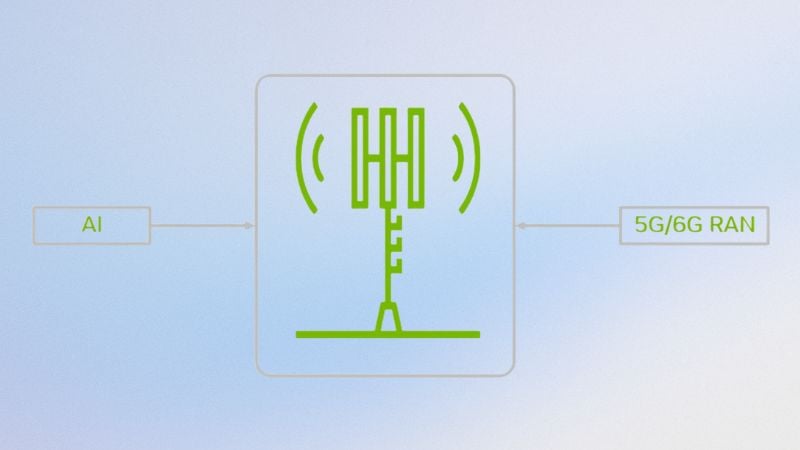
NCTA: Highlights AI reshaping RAN architecture and network operations at MWC 2026
NCTA reports that discussions at MWC 2026 emphasized AI’s role in reshaping RAN architecture and improving network operations, indicating broader telecom sector movement toward AI-driven network optimization.
Key takeaway: Shape industry dialogue and priorities around AI-driven network optimization and RAN evolution.
Light Reading | Mar 12 | Industry Analysis
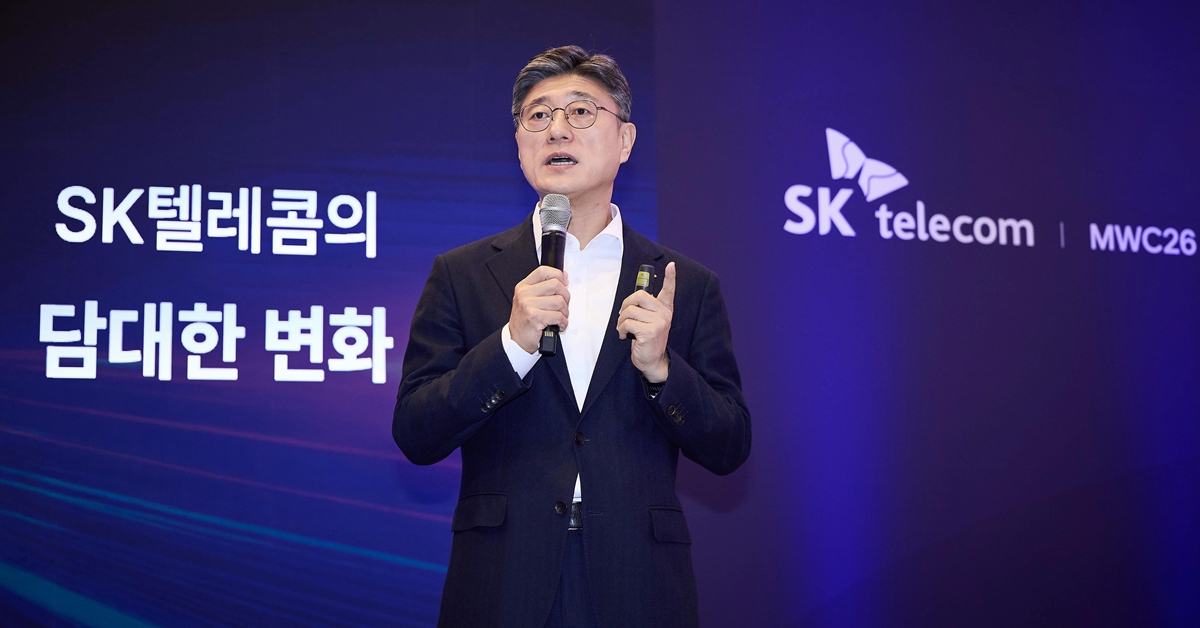
SK Telecom: Plans to export its sovereign AI playbook
SK Telecom signaled intent to take its sovereign AI approach to external markets, positioning offerings related to customer experience and agentic AI concepts for deployment beyond its home country.
Key takeaway: Expand AI-driven revenue by packaging and exporting sovereign AI methods, platforms, and services to multi-country customers seeking data control and compliance.