Private 5G/LTE Networks

Private networks are dedicated cellular networks — built on 4G LTE or, increasingly, 5G — that serve a specific organization or site rather than the public. They give enterprises control over coverage, capacity, latency, security, and data, making them well suited to factories, ports, mines, airports, warehouses, and campuses where public networks fall short. Deployment models range from fully private and on-premises to operator- or hyperscaler-managed, often using shared or licensed spectrum such as CBRS. As a clear enterprise opportunity for 5G, private networks sit at the intersection of connectivity, edge, AI, and industrial transformation. For decision-makers, the central questions are technology choice, architecture, spectrum, and return. This channel covers private networks across verticals and vendors, with deployment evidence, business-case analysis, and decision tools for teams evaluating and building dedicated networks.


Private Network Intelligence Tools

Use TeckNexus intelligence tools to assess readiness, compare deployment models, prioritize use cases, evaluate risk, and build stronger business cases for private 5G, LTE, edge, AI, and secure industrial connectivity.

Federated Wireless Puts AI at the RF Layer - and Targets the Capacity Operators Already Own
AIPrivate Networks

Federated Wireless Puts AI at the RF Layer – and Targets the Capacity Operators Already Own

Federated Wireless has launched Spectrum AI, a physical AI platform that applies continuous RF-layer modelling to shared spectrum networks, reporting up to 5x capacity gains without new spectrum or infrastructure. For private network buyers, it signals that radio planning assumptions long treated as fixed may have real headroom left to ...

Showing Slide 1 of 2
Every major vendor now offers AI for manufacturing. The problem is not options - it is knowing which use cases to prioritise for your specific factory. The TeckNexus AI Use Case Prioritiser for Manufacturing scores your options across impact, feasibility, data readiness, and payback speed....
Airport private network ROI cases are uniquely complex: multiple stakeholders, regulatory constraints, and use cases spanning safety-critical airside communications and commercial terminal operations. The TeckNexus Airport ROI Calculator handles this complexity — providing a stakeholder-level financial model across the full airport operation....
Showing Slide 1 of 3
Private 5G highlighted for dual-use connectivity in operational environments
Telefonica | Jun 23 | Feature Update

Private 5G highlighted for dual-use connectivity in operational environments

References advanced dual-use connectivity capabilities, including private 5G networks for operational settings, but lacks specifics on the vendor, deployment details, spectrum bands, or geography.
NTT: Tests private 5G for multi-camera live transmission during J.League match in Tokyo
Telecompaper | Jun 19 | Deployment Update

NTT: Tests private 5G for multi-camera live transmission during J.League match in Tokyo

NTT and NTT East completed a stadium trial in June 2026 using a private 5G network to uplink multiple live video feeds (referee, steadicam, gimbal) from the pitch to the broadcast production team in real time at Japan’s National Stadium in Tokyo.
NMIS: Collaborative trial demonstrates private 5G providing secure, high-capacity connectivity for data-driven manufacturing
Themanufacturer | Jun 19 | Feature Update

NMIS: Collaborative trial demonstrates private 5G providing secure, high-capacity connectivity for data-driven manufacturing

A collaborative trial conducted at the National Manufacturing Institute Scotland demonstrated that a private 5G network can deliver secure, high-throughput connectivity to support data-intensive industrial workflows.
United States CBRS: Practical path for private 5G/LTE and managed private cellular networks
Aijourn | Jun 17 | Spectrum Policy

United States CBRS: Practical path for private 5G/LTE and managed private cellular networks

Overview highlights how CBRS in the United States enables enterprises to deploy private 5G/LTE or use managed private cellular services by leveraging shared 3.5 GHz spectrum access.
Private mining networks deliver dedicated LTE and 5G connectivity for mining operations
Trendhunter | Jun 17 | Industry Analysis

Private mining networks deliver dedicated LTE and 5G connectivity for mining operations

General overview of private LTE/5G deployments at mining sites to provide dedicated on-site connectivity for equipment, sensors, and workforce, supporting coverage in remote areas and enabling automation and remote operations. No specific companies, geographies, or spectrum bands are cited.
Private 5G positioned to enable large-scale IPTV and digital signage deployments
Digitalavmagazine | Jun 17 | Deployment Update

Private 5G positioned to enable large-scale IPTV and digital signage deployments

Statement indicates latest-generation private 5G networks are being positioned as the access/backhaul layer to distribute IPTV and digital signage services at scale, leveraging private cellular QoS, mobility, and campus coverage.
Assessment Sponsored

Private Network Security for Utilities

Energy & Utilities 8 min Free

Private Network Editorial Series

Private Network Magazines & Reports

Browse TeckNexus magazine editions focused on private networks, industrial connectivity, enterprise transformation, and vertical use cases. These collections provide broader context across technologies, markets, and ecosystem developments.

Private 5G/LTE Deployments

Explore real-world private 5G and LTE deployments across industries including utilities, mining, airports, ports, manufacturing, logistics, sports venues, and public-sector environments. Each example helps show how private wireless is being applied in practice.

Private Network Market Insights

Track market developments, technology shifts, spectrum policy, vendor announcements, and enterprise adoption trends shaping private 5G and LTE networks. Use these insights to understand where the market is moving and why it matters.

Private Network Ecosystem Leaders

Follow companies and solution providers shaping the private wireless ecosystem across infrastructure, security, neutral host, systems integration, operations, devices, spectrum, and managed services.

Frequently Asked Questions

What’s a private 5G network, and who actually needs one?
A private 5G network is a dedicated cellular network built and operated for a single organization, typically used in manufacturing, logistics, ports, mining, and healthcare facilities where Wi-Fi can’t reliably support the mobility, device density, or mission-critical reliability the use case requires. Organizations generally consider a private network when standard Wi-Fi struggles with coverage across a large or physically challenging area, when a use case involves a very high density of connected devices needing reliable, low-latency connectivity simultaneously, or when data security and control requirements make running traffic over a shared, general-purpose network undesirable. The defining characteristic is exclusivity: unlike a public carrier network shared across millions of subscribers, a private network’s capacity is dedicated entirely to that one organization. Several defining attributes differentiate private 5G networks from public 5G networks:
  • Dedication of Resources: Just as with private networks in general, private 5G networks have dedicated resources, ensuring optimal performance. This can include dedicated radio equipment, servers, and even specific bands of the radio spectrum, allowing for greater control over network traffic and reduced latency.
  • Controlled and Secured Access: Access to the private 5G network is typically restricted to authorized users or devices within a specific organization or facility. This provides enhanced security, preventing unauthorized devices from connecting to the network.
  • Customizability: Private 5G networks can be tailored to meet specific organizational needs. This means they can be designed to prioritize certain types of data, handle specific volumes of traffic, or offer enhanced reliability for critical applications.
  • Deployment Flexibility: Organizations can choose where and how they deploy their private 5G infrastructure, allowing for network coverage in areas that may be underserved by public 5G networks, such as remote locations or specific zones within a manufacturing facility.
  • Enhanced Data Privacy: Given the closed nature of the private 5G network, data transmitted remains within the confines of the network, ensuring heightened data privacy and compliance with internal policies or regulatory mandates.
  • Advanced Performance and Reliability: With the ability to customize and control the network environment, organizations can ensure high reliability, low latency, and other performance attributes critical to specific use cases like automation, IoT devices, or augmented reality applications.
  • Operational Efficiency and Independence: Organizations can operate and manage their private 5G networks independently or with reduced dependence on external telecom providers. This can lead to faster issue resolution, better alignment with business goals, and potential cost savings in the long run.
In essence, a private 5G network is a specialized cellular infrastructure leveraging the advancements of the 5G standard, designed exclusively for specific organizational needs. It offers the benefits of the 5G technology, such as high bandwidth, low latency, and massive device connectivity, but within a controlled, secure, and customizable environment tailored for business or specific operational requirements.
How widespread are private networks in 2026?
They have moved from pilot programs into production-grade infrastructure. Industry trackers counted roughly 6,500 private LTE and 5G networks deployed worldwide by the end of 2025, with more than 2,000 active enterprise customers running private networks, and 5G now leading 4G LTE in new private network deployments for the first time, a meaningful milestone given how recently 5G overtook the more established LTE technology in this category. The Global Mobile Suppliers Association has noted that many private network deployments have already generated meaningful documented revenue or operational value, and deployments now span more than 80 countries, reflecting that private networks are no longer concentrated in just a handful of advanced markets.
Do I need 5G for a private network, or is 4G LTE still a valid option?
4G LTE remains a solid choice for many deployments, especially where ultra-low latency or massive device density isn’t required, and LTE still accounts for roughly half of the installed base of private networks globally as of recent industry data. 5G makes the most sense when the use case genuinely needs capabilities Wi-Fi and LTE can’t reliably deliver, like high-mobility tracking across a large facility or industrial automation requiring very low latency. Organizations evaluating a new private network deployment today increasingly default to 5G given its more advanced capabilities and longer expected technology lifespan, but existing LTE deployments often continue operating effectively rather than being immediately replaced.
What industries are adopting private 5G fastest?
Manufacturing leads by a wide margin, with the majority of manufacturing firms surveyed already deploying private 5G and reporting meaningful reductions in production downtime, alongside use cases like connecting Ultra-HD cameras, extended reality headsets, and automated guided vehicle systems on the factory floor. Logistics, transportation, and ports follow closely, given their need for asset tracking and connected machinery across large physical areas. Mining operations use private networks for similar reasons, often in remote locations without existing public network infrastructure. Healthcare is an increasingly significant adopter too, using private networks to support connected medical devices and reliable, secure connectivity where data security requirements are particularly stringent.
What’s changed to make private 5G more accessible to smaller organizations?
New flexible deployment models, including 5G-as-a-service, managed private networks, and pre-packaged network-in-a-box offerings, have lowered the upfront capital and specialized expertise needed, opening private 5G to mid-sized enterprises that previously couldn’t justify the investment or didn’t have in-house network engineering expertise. Rather than requiring large capital investment and specialized in-house expertise, organizations can now work with managed service providers who handle deployment and ongoing management, paying for private network connectivity more like a subscription service than a major infrastructure capital project. This shift mirrors a broader trend across enterprise technology, where complex infrastructure capabilities become accessible to smaller organizations once vendors package and simplify them.
How does a private network differ from a regular Wi-Fi network technically?
Cellular technology, including private 5G and LTE, generally offers more reliable, predictable performance across larger areas and through physical obstructions like walls and equipment than Wi-Fi typically provides, since cellular was designed from the outset for wide-area mobility rather than primarily for shorter-range indoor coverage. Cellular networks also support far higher device density per access point and more robust handoff between coverage areas as a device or vehicle moves, which matters significantly for use cases like tracking forklifts continuously moving across a large facility. Wi-Fi, by contrast, is generally cheaper to deploy for smaller, more contained spaces but can struggle with the reliability and density demands many industrial private network use cases require.
Who actually builds and operates a private 5G network, the enterprise itself or a carrier?
Private 5G networks are built and operated through a few different common arrangements. In some cases, the enterprise itself, often working with a systems integrator, builds and manages the network entirely independently, giving the organization maximum control but requiring meaningful in-house technical expertise. More commonly, particularly for smaller and mid-sized organizations, a managed service provider handles deployment and ongoing operation on the enterprise’s behalf, with the enterprise paying for the service rather than directly owning the network infrastructure itself. Traditional carriers also increasingly offer private network services directly to enterprise customers, sometimes using dedicated spectrum the carrier already holds, blurring the line between a fully independent private network and a carrier-delivered service.
What spectrum do private networks actually use?
Private networks can use several different types of spectrum depending on the country and regulatory framework. Some countries have designated specific spectrum bands for private, localized use, sometimes called shared or unlicensed spectrum, that organizations can access without needing to negotiate directly with an existing mobile carrier, an approach that has gained popularity in markets including the U.S. with its CBRS framework and Germany with dedicated industrial spectrum allocations. In other cases, organizations lease or partner with an existing carrier to use a portion of that carrier’s licensed spectrum specifically for their deployment. Industry data indicates unlicensed and shared spectrum currently represents the dominant approach globally, reflecting how this more accessible framework has enabled much of the recent growth in private network adoption.
What are the benefits of private 5G for enterprises?
Private networks, particularly those based on the 5G/LTE standard, are increasingly being recognized for their advantages to enterprises. Here's an in-depth look at these benefits:
  • Superior Network Coverage and Capacity: Unlike traditional networks, private 5G/LTE networks guarantee extensive coverage, especially in locations where Wi-Fi or wired networks might be inadequate. This ensures efficient communication among machines, sensors, and personnel in settings like smart factories. As a result, there's a notable surge in efficiency, minimized interruptions, and heightened productivity.
  • Guaranteed Performance: These networks offer deterministic performance, ensuring a promised level of service quality, latency, and bandwidth. This is especially invaluable for sectors like manufacturing, healthcare, or transportation, where the consistent and reliable performance of applications and devices is non-negotiable.
  • Enhanced Security and Data Privacy: Given that enterprises have complete dominion over their private 5G/LTE networks, they can impose stringent access controls. This ensures that only authorized personnel and devices can access the network. Additionally, the capability to process data locally using edge cloud adds another layer of data security, guarding against potential cyber threats.
  • Low Latency and Real-time Edge Computing: One of the standout features of private 5G/LTE networks is their ability to facilitate low-latency communications paired with edge computing. This combination allows data processing to happen locally, enabling instantaneous decisions without relying on distant cloud computing. Such a feature is indispensable in applications demanding immediate feedback, for instance, robotics or autonomous driving.
  • Scalability for High-density Deployments: Private 5G/LTE networks are tailored to support large-scale deployments of interconnected devices and applications without any detriment to the network's performance. This is particularly relevant for endeavors like smart cities or expansive industrial IoT setups.
  • Adaptable Network Design and Deployment: The adaptability of private 5G/LTE networks in terms of their design, roll-out, and administration stands out. Enterprises have the freedom to mold the network according to their specific requirements, whether it's merging with other network technologies or setting up in diverse locations.
  • Unparalleled Control Over Network: Complete control over the network translates to the ability for businesses to fine-tune every aspect of it. This includes optimizing performance metrics, fortifying security protocols, ensuring consistent reliability, and, most importantly, preserving data privacy.
In summary, private 5G/LTE networks present a compelling array of benefits for enterprises. From providing robust coverage to ensuring top-notch security, from enabling real-time data processing to offering unmatched scalability, these networks are an excellent choice for businesses that prioritize consistent, secure, and high-performance connectivity for their critical applications and devices. Please read the Private Network Magazine editions for additional details.
Which industries are using private 5G/LTE networks?
Private networks, especially those harnessing 5G/LTE technologies, are rapidly laying down a technological foundation for numerous industries that seek heightened connectivity, robust reliability, and top-tier security.
  • For the manufacturing sector, private networks are not just modern tools; they're transformative catalysts. Smart factories, riding on the backbone of these networks, have incorporated Industrial IoT (IIoT) sensors. This has led to a nuanced shift in operational paradigms, enabling real-time monitoring of manufacturing processes, intelligent predictive maintenance to avoid unplanned downtimes, and rigorous quality assurance to reduce defects. Beyond this, the seamless integration of collaborative robotics allows robots to work hand-in-hand with humans, optimizing productivity. Moreover, augmented reality (AR) applications are emerging as critical training tools, offering interactive sessions that focus on both equipment handling and safety protocols, ensuring a safer and more efficient workspace.
  • The transportation (airports, ports, roadways, highways) and logistics industry has been quick to recognize the merits of private networks. Vehicle-to-everything (V2X) communications, for example, are optimizing road safety by ensuring that vehicles communicate seamlessly with each other and with infrastructure elements. The effects of private networks extend to ports and warehouses, making them smarter, more responsive, and ensuring the rapid movement of goods. Additionally, the dawn of connected vehicles, bolstered by these networks, promises an era where real-time data integration amplifies both safety and user experience.
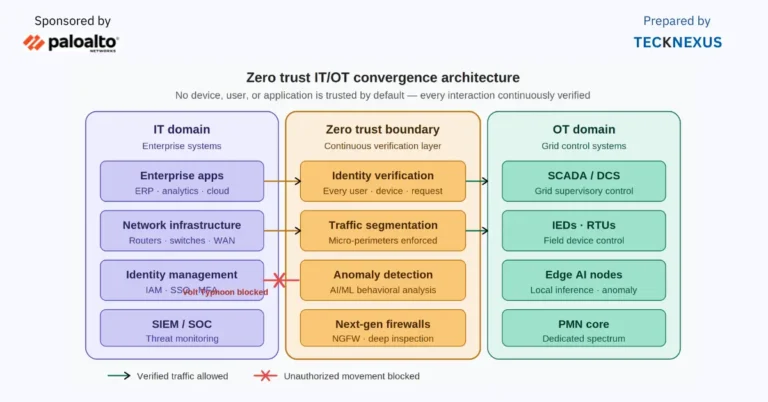
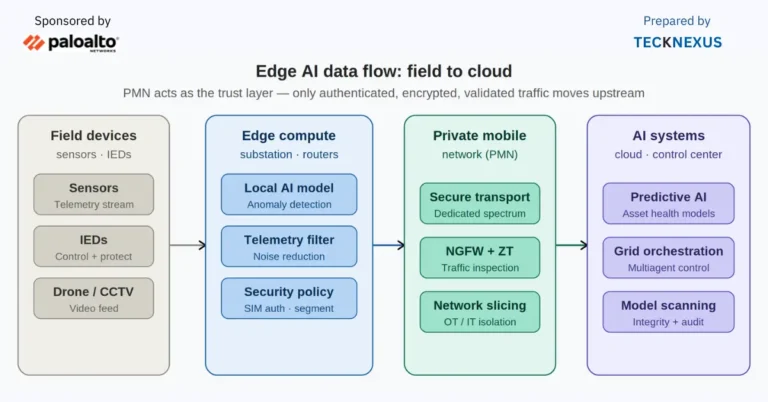
  • The energy and utilities sector's strategic shift towards private networks epitomizes efficiency. Smart grid management, aided by these networks, promises a future of minimized energy wastage and heightened distribution efficiency. Furthermore, expansive infrastructure, such as pipelines and solar fields, are now being meticulously monitored with drones and sensors powered by these networks, ensuring timely interventions and maintenance. The thrust on predictive maintenance means that energy setups can preempt issues before they escalate, ensuring continuous service.
  • For mining, private networks signify safety and efficiency. Activities like operating heavy machinery remotely become feasible, thereby reducing the risks associated with manual operation. Monitoring underground operations ensures that worker safety remains paramount even in the most challenging terrains.
  • The agricultural domain is undergoing a silent revolution, with precision farming enabling farmers to take data-driven decisions on irrigation, sowing, and harvesting. Smart livestock management techniques, powered by these networks, keep track of livestock health and movements, ensuring both productivity and well-being.
  • Entertainment, media, and broadcasting are leveraging these networks to provide consumers with next-gen experiences. Immersive AR/VR sessions and high-definition live streaming become norms, not novelties. The retail sector is reshaping consumer experiences with augmented shopping interfaces and real-time inventory management. As for smart cities, they're evolving into nerve centers of efficiency, with intelligent traffic systems and enhanced public surveillance mechanisms, all anchored by private networks.
  • Educational institutions are evolving too, with interactive virtual classrooms and real-time collaborative research. Finally, sectors like aerospace, defense, sports, and gaming are leveraging these networks across a spectrum of applications, from secure drone operations to immersive stadium experiences.
  • In the healthcare domain, the influence of private networks is palpable. Remote patient monitoring, once a futuristic idea, is now a reality, making healthcare more proactive and less reactive. By facilitating continuous patient health tracking, medical interventions can be more timely and precise. Furthermore, AR and VR have found an indispensable place in the sector. With private network support, they’re redefining medical training, offering immersive patient care simulations, and providing practitioners with a level of detail and interactivity previously unattainable.
Who are the ecosystem players for private 5G/LTE networks?
Private 5G/LTE network deployment is a collaboration of multiple industry entities, each bringing specialized knowledge and solutions to the table. Here's a comprehensive breakdown of these players and their functions:
  • Telecom Equipment Vendors: They are the backbone suppliers of critical hardware and software components for setting up the private 5G/LTE infrastructure. This encompasses everything from base stations and antennas to routers and network management tools.
  • System Integrators: Often regarded as the architects of private 5G/LTE networks, system integrators deliver holistic solutions, from the initial design to deployment and eventual network management. They ensure that a business's specific needs are addressed, integrating seamlessly with pre-existing systems.
  • Mobile Network Operators (MNOs): The bridge between users and the digital realm, MNOs offer the actual connectivity services, including spectrum licenses and infrastructure. They may either directly cater to enterprises or collaborate with system integrators for comprehensive solutions.
  • Cloud Providers: They cater to the increasing need for cloud functionalities in private 5G/LTE networks, from edge computing to data storage and analytical tools. These providers empower businesses to analyze data on-site, bolstering responsiveness and security.
  • Device Manufacturers: The endpoint of any network, device manufacturers ensure that smartphones, wearables, tablets, and various IoT devices can connect seamlessly and efficiently to the private 5G/LTE networks.

  • Neutral Hosts: A cost-effective solution for many, neutral hosts offer shared infrastructure, allowing diverse businesses to maintain individualized networks on a common infrastructure.
  • Regulators: The gatekeepers of the industry, regulators oversee spectrum allocation and adherence to international standards and local regulations. They are instrumental in ensuring a stable and compliant operational environment.
  • Industry Associations: Champions for industry standards and growth, industry associations stimulate adoption and innovation by fostering collaboration and facilitating knowledge transfer among stakeholders.
What strategies should be adopted by private 5G/LTE network ecosystem players?
  • Telecom Equipment Vendors: Focus on R&D to continuously innovate and provide tailored hardware and software solutions for private networks, emphasizing low latency, security, and reliability. Collaborate with MNOs and system integrators to enhance product compatibility and understand evolving industry needs. Engage in targeted vertical strategies, working closely with industry specialists to cater to niche requirements.
  • System Integrators: Undertake a comprehensive assessment to discern enterprise needs, ensuring the network solutions are tailored accordingly. Cultivate partnerships with equipment vendors and MNOs for a holistic solution spectrum. Embrace collaborative endeavors, teaming up with other ecosystem entities to share resources and expertise, thereby ensuring smooth deployment and operation. Focus on vertical-specific strategies to offer highly specialized solutions, especially in sectors with unique demands like healthcare or manufacturing.
  • MNOs: Leverage existing infrastructure assets to create tailored connectivity solutions. Develop customized service-level agreements based on enterprise-specific requirements. Foster strategic alliances with system integrators and equipment vendors to expand service offerings. Consider collaborative endeavors to tap into shared resources and knowledge, leading to efficient and optimized service provision. Engage in vertical-specific strategies, collaborating with industry stakeholders to fine-tune offerings for distinct sectors.
  • Cloud Providers: Introduce innovative cloud solutions optimized for 5G/LTE, such as ultra-low latency edge computing. Collaborate with device manufacturers to ensure seamless data flow and analytics processes. Also, invest in vertical-specific cloud solutions catering to industries like manufacturing or healthcare, where localized data processing and analysis are crucial.
  • Device Manufacturers: Prioritize R&D to ensure devices are 5G/LTE compatible, energy-efficient, and secure. Form partnerships with MNOs and cloud providers to ensure seamless device-network interactions. Emphasize vertical-specific device innovations, especially in sectors where IoT integration is on the rise.
  • Regulators: Ensure clear and adaptive guidelines are set for private 5G/LTE deployment, emphasizing safety, security, and interoperability. Engage in periodic dialogue with industry players to understand the evolving landscape and adjust regulations accordingly.
  • Industry Associations: Spearhead efforts in fostering collaboration, knowledge-sharing, and standardization. Support vertical-specific endeavors, collaborating with other players to develop standards, best practices, and blueprints tailored to specific vertical industries. Organize collaborative platforms where vendors, integrators, and MNOs can engage in constructive dialogues.
  • Neutral Hosts: Diversify infrastructure offerings to cater to a broad spectrum of enterprise sizes and needs. Establish partnerships with MNOs and equipment vendors to ensure the infrastructure is optimized for multiple network types. Engage in collaborative endeavors to optimize shared infrastructure utilization, ensuring efficient resource distribution.
Embedding collaborative efforts and vertical-specific strategies within each player's strategy ensures a cohesive approach toward the realization of the full potential of private 5G/LTE networks. 

What are the frequency bands used for private network deployments?
  • Licensed Bands: These bands are exclusively allocated to specific entities by regulatory bodies. License holders have exclusive rights to operate within these bands in specific geographical areas.


    • n77/n78 (3700 MHz – 3800 MHz): Used in regions like Germany.
    • n38 (2570 MHz – 2620 MHz): Used in regions like France.
    • n77 (3800 MHz – 4200 MHz): Used in the UK.
    • n79 (4400 MHz – 5000 MHz): Common in Japan and China.
  • Shared Bands: These bands are neither exclusively licensed nor completely unlicensed. Instead, multiple entities can share access to these bands, often managed by a spectrum access system to prevent interference.
  • CBRS (Citizens Broadband Radio Service)
    • n48 (3550 MHz – 3700 MHz): Used in the USA. CBRS uses a three-tiered spectrum access system to manage shared usage, including Incumbent Access, Priority Access Licenses (PAL), and General Authorized Access (GAA).
  • Unlicensed Bands: Unlicensed bands don't require specific licenses from regulators. They can be freely used as long as operators adhere to regulations about interference and power levels.
    • n96 (5925 MHz – 7125 MHz): This unlicensed band is used in the USA and South Korea.
    • Another portion, n96 (5900 MHz – 6400 MHz), is used in the European Union.
It's crucial to note that the available bands and their categorization (licensed, shared, unlicensed) can vary by country and region due to differences in regulatory environments. Before deploying private networks, companies should always refer to local regulatory guidelines to ensure they are using the correct bands for their intended purposes.
What are the challenges of private 5G/LTE networks?
Here are some of the private 5G/LTE network challenges:
  • Spectrum Availability: The radio frequency spectrum, especially frequencies suitable for 5G/LTE, is limited and often already occupied by other services. Acquiring licenses can be cumbersome, expensive, and sometimes subject to regulatory constraints. Not all countries have a clear policy on the use of spectrum for private networks, making it a gray area for many businesses. Furthermore, shared spectrums can lead to unpredictable network performance due to interference.
  • Infrastructure Deployment: Establishing a private network requires significant infrastructure, from base stations to small cells and antennas. Geographic challenges, like deploying in rural or remote locations, can amplify costs. Additionally, securing permissions, ensuring connectivity backhauls, and optimizing for coverage can become complex undertakings.
  • Integration with Existing Systems: Merging a new private 5G/LTE network with established IT and OT systems can introduce technical challenges. Bridging the gap between legacy systems and new technologies requires not only technical adaptability but often also organizational change management to ensure smooth transitions.
  • Security and Privacy: As with any digital network, private 5G/LTE networks are susceptible to cyber threats. While these networks might offer better isolation, they introduce new vulnerabilities unique to 5G/LTE technology. Moreover, as data becomes more distributed, ensuring compliance with regional and global privacy standards becomes increasingly intricate.
  • Skill Shortage: The nascent nature of 5G/LTE technology means there's a limited pool of experts familiar with its deployment and management. This deficit compels companies to compete for talent, driving up costs. In-house training becomes essential, but that, too, requires time and resources.
  • Interoperability: Ensuring that private 5G/LTE networks can communicate effectively with other networks or systems is pivotal. Avoiding vendor lock-in is crucial to maintaining flexibility in scaling and upgrading systems. Relying on a single vendor might simplify initial deployment but can become restrictive as business needs evolve.
  • Operational Costs: Beyond the initial setup, the continued operation, management, and upgrading of private networks can incur substantial costs. As technology evolves, the need for periodic upgrades, maintenance, and potential system overhauls can strain financial resources.
  • Regulatory Compliance: Different regions have varying regulations regarding private network use, management, and security standards. Adhering to these ever-evolving regulations, especially for global enterprises operating in multiple regions, can become a logistical challenge.
In summary, while private 5G/LTE networks promise unparalleled connectivity, speed, and data management, their adoption is dotted with complexities. Organizations keen on deploying these networks should be well-prepared, informed, and strategic in their approach to maximize the benefits while navigating potential pitfalls.

Your Brand. Our Intelligence Tools.

Capture leads at the point of evaluation. Talk to Us →

Sponsored by Palo Alto Networks
⚡ Utilities ⏱ 8 min ✓ Free
This tool is built and hosted by TeckNexus.
Launch Tool →
Whitepaper
This whitepaper explains how utilities can use secure AI-enabled private mobile networks to modernize operations, support distributed intelligence, improve resilience, and strengthen cybersecurity across critical infrastructure. It covers AI applications, private network advantages, zero trust principles, multilayered security architecture, and governance considerations for AI-ready utility environments....
Whitepaper
Non-terrestrial networks are rapidly evolving from experimental satellite systems into an increasingly important part of the global 5G connectivity landscape. This eBook, developed by Radisys in collaboration with TeckNexus, explores how 3GPP standardization, satellite architecture innovation, and software-driven network design are reshaping NTN deployment models. It examines the transition from...
Whitepaper
Private cellular networks are transforming industrial operations, but securing private 5G, LTE, and CBRS infrastructure requires more than legacy IT/OT tools. This whitepaper by TeckNexus and sponsored by OneLayer outlines a 4-pillar framework to protect critical systems, offering clear guidance for evaluating security vendors, deploying zero trust, and integrating IT,...
Scroll to Top