TechM

O2 Telefónica Germany has deployed a Large Telco Model powered by Tech Mahindra and NVIDIA to transform its operations into a service-centric, AI-native system. By integrating telemetry, tickets, and service topology into a unified AI fabric, the model enables automated root-cause analysis, dispatch optimization, and intent-based workflows. This marks a tangible shift toward autonomous network operations, with measurable gains in operational efficiency, SLA compliance, and customer experience.
EnterpriseWeb is presenting stage 3 of its award-winning multi-vendor Intel 5G RAN testbed. Based on a secure edge gateway use-case, the testbed showcases dynamic configuration of Intel® Ethernet Controller E810 and network functions to continuously optimize processing of secure packets. It demonstrates consistent and predictable low-latency and energy consumption at scale, enabling Telecom MEC and Sustainability initiatives.
2022 is behind us, and we are now looking forward to the years ahead with exciting predictions from industry thought leaders about Technology and Connectivity Trends over the next 2 to 5 years. We at TeckNexus analyzed over 60 sources and identified 150+ global technology and connectivity trends which we have presented in a visually appealing word/ keyword cloud format.
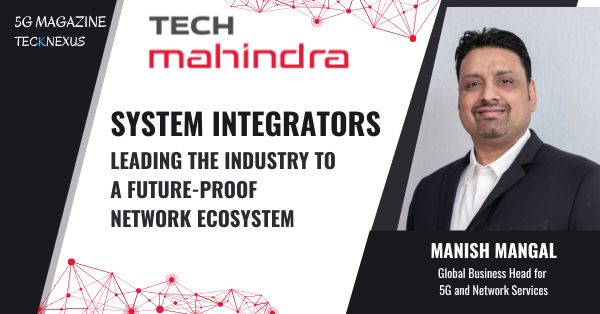
System integrators have a strong role in helping operators and enterprises in planning, building, and managing complex network environments while maximizing performance and minimizing costs by effectively deploying solutions and technologies from diverse ecosystem players. With their deep technical knowledge, competence, and wider industry experience, they can offer tailored solutions that enable the successful deployment of public and private networks and ensure long-term success for those organizations that partner with them.
DoT has started a procedure to identify the 5G spectrum bands, especially those with less commercial prospects for mobile operators for captive private networks. In its recommendations for the 5G auction, Trai suggested that at least 40 MHz blocks can be carved out in the 3700-3800 MHz and 4800-4990 MHz bands for captive private networks. It was also of the view that at least 400 MHz be earmarked in the 28.5-29.5 GHz band for private networks as well as satellite earth stations.

Partner Hubs

Download content, access intelligence tools, and hear from executives.

Partner Events

  • M360 ASEAN
  • FutureNet Asia 2026
Scroll to Top