TIM

June 2026 showed agentic AI scaling from pilot to platform: industry-wide standards momentum, AI-RAN field trials from Nokia, Amdocs and KDDI, and fresh capital across data centers on three continents. This full roundup covers every deployment, partnership, funding round and governance move from the month, with tools to prioritise AI use cases and plan the network around them.
European regulators have cleared the path for Telecom Italia (TIM) to offload its global wholesale arm, Sparkle, advancing a restructuring with implications for sovereignty, subsea capacity, and wholesale competition. The European Commission has approved the acquisition of Sparkle by Italy’s Ministry of Economy and Finance (MEF) and infrastructure provider Retelit, valuing the asset at €700 million and granting joint control to the two buyers. TIM had initially targeted closing in late 2025, but now guides to completion in the first half of 2026. Brussels found the deal would not materially distort competition in the relevant wholesale markets.
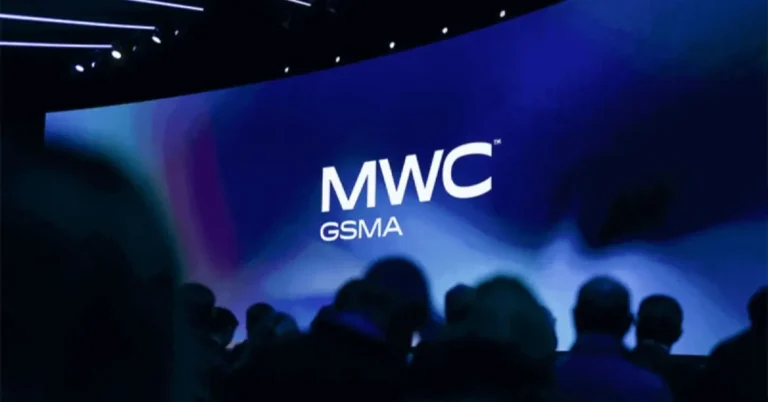
Live Streamed on Tues, 3 Mar at 16:00 - 17:00 CET
As connectivity enters a new era, networks are becoming more intelligent, more adaptive and more human-centric. This keynote explores how AI, cloud-native technologies and next-generation infrastructure are reshaping not only how networks operate, but how people experience the digital world. From AI-driven customer experiences and autonomous networks to new digital ecosystems and sustainable growth, the session examines how connectivity can move beyond access to become a true engine of opportunity. It sets out a shared vision for a future where technology anticipates needs, removes friction and empowers individuals, businesses and societies to thrive.
Deutsche Telekom, Orange, Telefónica, TIM, and Vodafone unveiled a live, pan‑European edge federation at MWC 2026, marking a practical step toward an interoperable edge cloud that spans national borders. The five largest European operators demonstrated the European Edge Continuum, a federated edge capability now running in lab and pre‑production environments. The initiative provides a single entry point to deploy and manage applications across multiple operators’ edge nodes, with automated placement, security controls, and mobility‑aware continuity. The platform draws on components developed under the IPCEI‑CIS program backed by the EU’s NextGenerationEU funds, and is positioned for industrialization and commercial rollout next.
Twelve major European telecom providers, including Vodafone and Deutsche Telekom, have jointly urged the EU to allocate the full upper 6GHz band (6.425–7.125 GHz) for mobile use, citing the spectrum’s critical role in future 6G deployment. With the U.S. and China already advancing in this area, operators warn that delays could jeopardize Europe’s digital leadership and hinder next-generation connectivity infrastructure.
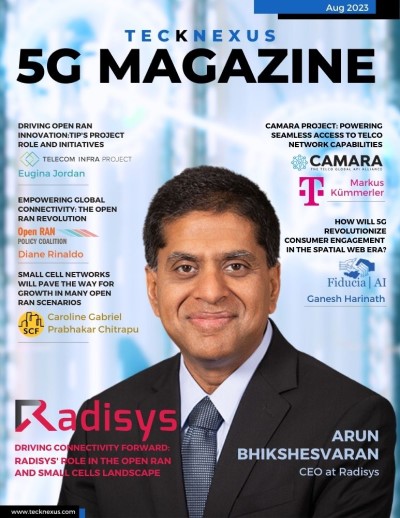
Welcome to our latest edition - a deep dive into the technological marvels of Open RAN and 5G. Join us as we unravel insider insights from Radisys Corporation's CEO, explore the transformative CAMARA project, and highlight pioneering entities like the Telecom Infra Project, Small Cell Forum, and Open RAN Policy Coalition. Delve into the future of consumer engagement in the Spatial Web era and discover the intersection of AI, AR, VR, and edge computing. We invite you to explore, question, engage and help shape our shared digital future. Welcome to the discourse. Happy reading!
Welcome to the era of 5G revolution with the CAMARA Project. This initiative exposes telco network capabilities via APIs, simplifying network complexity and providing benefits across telco operators and countries. It's transforming the very fabric of telecom networks into robust service platforms, opening the door for enhanced service capabilities and fresh revenue streams for telecom providers. Dive into this article to learn about the CAMARA Project's journey, its approach towards standardization and simplification, and its vision for the future. Explore now!
The GSMA announced a new industry-wide initiative called GSMA Open Gateway, a framework of universal network Application Programmable Interfaces (APIs), designed to provide universal access to operator networks for developers. Launched with the support of 21 mobile network operators, the move is aimed at changing the way the telecoms industry designs and delivers services in an API economy world.

Partner Hubs

Download content, access intelligence tools, and hear from executives.

Partner Events

  • M360 ASEAN
  • FutureNet Asia 2026
Scroll to Top