WiFi

Private Mobile Networks (PMNs), powered by LTE and 5G, are driving enterprise digital transformation across manufacturing, logistics, utilities, and public safety. With nearly 1,850 deployments worldwide as of mid-2025, and data from GSA showing rapid adoption, PMNs offer secure, low-latency, and high-performance connectivity. This article explores technical architectures, deployment trends, spectrum policies, and vendor strategies shaping the future of private networks.
Welcome to the TeckNexus Private Networks: Energy & Utilities Edition. Across energy and utility operations, connectivity has evolved from a supporting tool into a strategic foundation. As utilities modernize critical infrastructure, integrate distributed energy resources, and strengthen cybersecurity and grid resilience, communications must deliver determinism, security, and operational control. Private LTE and 5G networks are increasingly fulfilling that role.

This edition highlights real-world private network deployments from organizations such as Memphis Light, Gas and Water (MLGW), GMR Energy, and major European utility operators. These initiatives—delivered in collaboration with ecosystem leaders including Nokia, Anterix, Hubbell Power Systems, Niral Networks, Druid Software, TDF, and members of the broader private wireless ecosystem—show how utilities are moving from pilots to production-grade networks supporting grid modernization, worker safety, and mission-critical operations.

We proudly feature the 2025 TeckNexus Private Networks Award winners, recognizing utilities, technology providers, and partners setting new benchmarks for execution in energy and utility environments. Through deployment stories, executive perspectives, and partner insights, this magazine underscores the power of collaboration across utilities, vendors, integrators, and industry organizations.

Readers will also find the Smart Utilities Connectivity Blueprint—a practical framework distilled from global deployments. It illustrates why visibility must come before automation, how ownership and control models shape outcomes, and how utilities can scale digital transformation without compromising reliability or safety.

A clear message runs through every story in this edition: utilities don’t invest in private networks for technology alone—they invest for outcomes. The leaders featured here show what’s possible when connectivity is aligned with operational realities and long-term grid strategy.

GMR Energy's private 5G journey showcases how industrial operators are solving real-world connectivity challenges. In a 3–4 sq. km energy plant, traditional networks fell short. GMR adopted private 5G and edge computing to deliver ultra-reliable, low-latency connectivity across EMI-heavy and safety-critical zones — enabling drones, AI, and real-time command centers. This case study explores both operator and integrator perspectives to show how private 5G becomes a scalable platform, not a point solution.
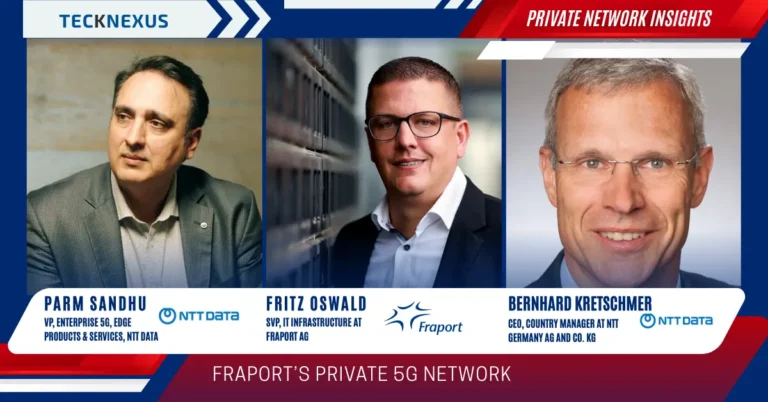
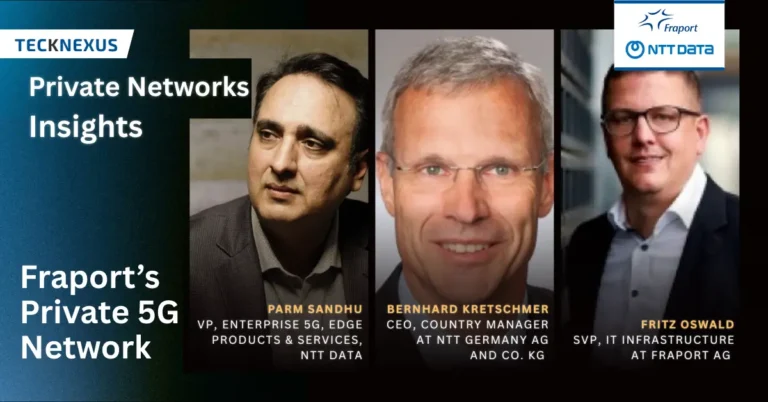
Winner – Private Network Excellence in Airports: NTT DATA, in partnership with Fraport AG, designed and implemented a large-scale private 5G network covering more than 20 km² at Frankfurt Airport. The 5G campus network provides secure, low-latency connectivity across the apron and perimeter where Wi-Fi is limited, enabling real-time data transfer, autonomous and remote operations, and a foundation for future airport digitalization. Nokia supported with private 5G RAN alongside NTT DATA’s architecture, deployment, and integration services.
Private Mobile Networks (PMNs), powered by LTE and 5G, are driving enterprise digital transformation across manufacturing, logistics, utilities, and public safety. With nearly 1,850 deployments worldwide as of mid-2025, and data from GSA showing rapid adoption, PMNs offer secure, low-latency, and high-performance connectivity. This article explores technical architectures, deployment trends, spectrum policies, and vendor strategies shaping the future of private networks.
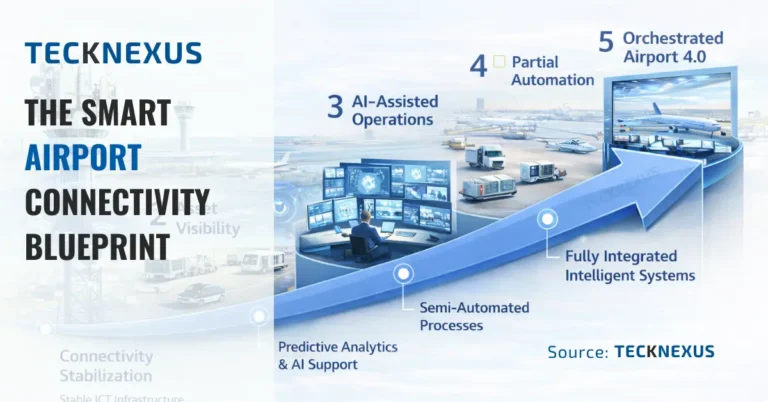
From Singapore to Schiphol, airports are embracing private networks for airports alongside AI and digital twins to drive operational efficiency, predictive maintenance, sustainability, and smarter passenger flows. This article explores 12 real-world deployments showcasing how private network deployments for aviation are shaping the future of Airport 4.0 globally.
Winner – Private Network Excellence in Airports, NTT DATA, in partnership with Fraport and Nokia is transforming Frankfurt Airport with one of the world’s largest private 5G networks. By integrating AI and edge computing, the network supports real-time communication, autonomous systems, predictive maintenance, and smart ground operations. Fraport is laying the groundwork for a scalable, future-ready airport infrastructure that benefits airlines, partners, and passengers.

Partner Hubs

Download content, access intelligence tools, and hear from executives.

Partner Events

  • M360 ASEAN
  • FutureNet Asia 2026
  • Network X Vienna 2026
Scroll to Top