
SCF (Small Cell Forum) has published a new report exploring how proven small cell design principles and open interfaces can help the ecosystem overcome some of the challenges facing emerging 5G Non-Terrestrial Networks (NTNs), particularly regenerative LEO satellite systems. As these architectures move toward commercial relevance, the study sets out where terrestrial small cell experience can reduce complexity, improve interoperability and support efficient 5G NTN solutions.
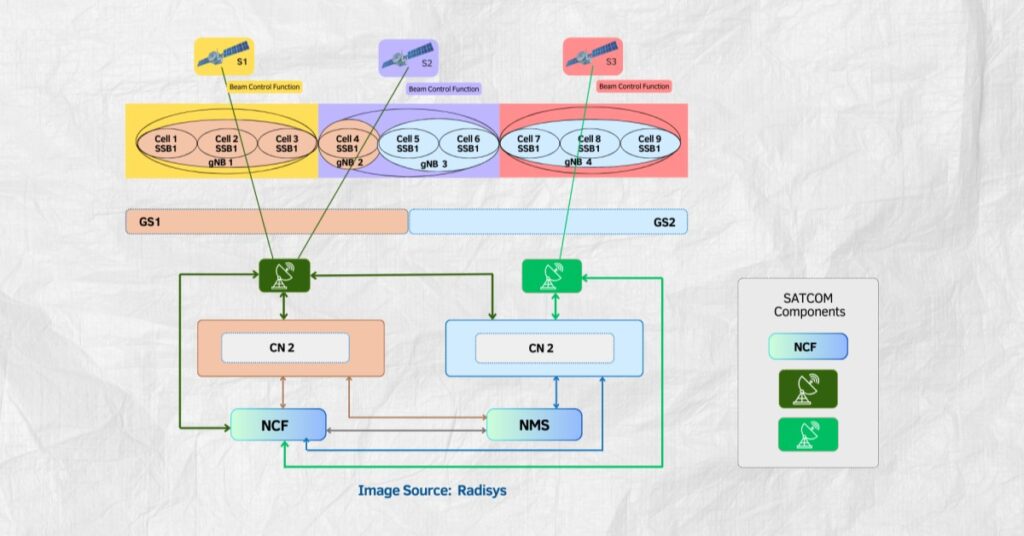
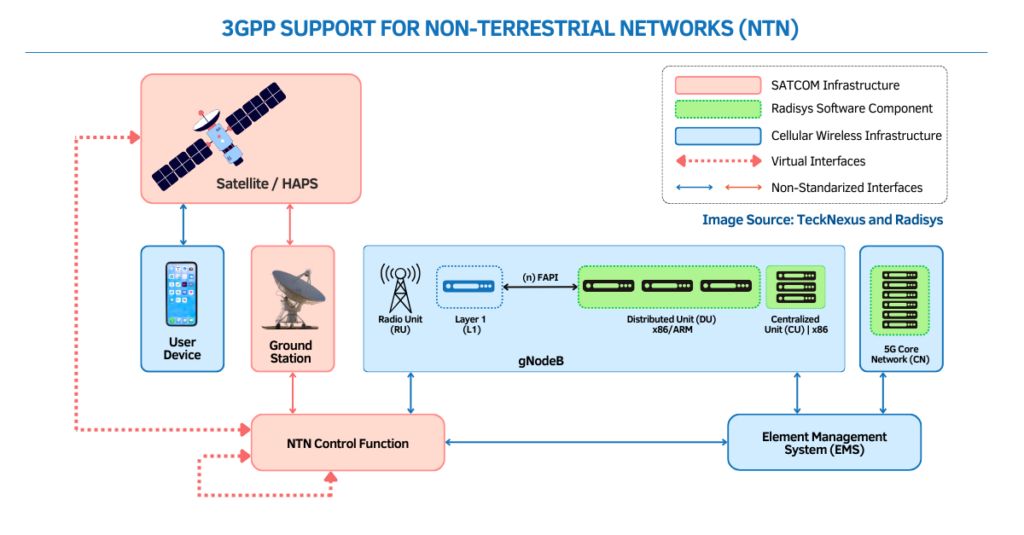
The paper, Small Cells and Non-Terrestrial Networks: Common Challenges and Common Solutions, explains that although terrestrial and space-based networks operate in very different environments, they share several engineering and operational constraints, including strict SWaP (Size, Weight and Power) requirements. Compact and efficient radio designs, modular architectures and standardized interfaces are essential in both domains. SCF’s existing body of work provides a set of components and frameworks that can be reused or adapted for 5G NTN satellite payloads and hybrid terrestrial–satellite deployments.

Prabhakar Chitrapu, PhD, Chair of Small Cell Forum, explains:
“The connection between SCNs and NTNs is an important but not an obvious one, which has often been overlooked in the industry. This report clarifies the common aspects and shared challenges between them, which in turn highlights where common solutions can be applied. We hope this work will be useful to industry organisations, standards bodies, regulators and policymakers. I am grateful to the SCF team for producing this report and the related earlier publication.”
Vicky Messer, VP Product Management at RANsemi and Co-Lead of the SCF NTN Work Item, adds:
“5G NTN represents a fast-moving area of innovation and there is a clear need for practical guidance as new architectures take shape. This paper shows how experience from the small cell ecosystem can be applied to support regenerative payload design, simplify interface integration and help vendors and operators progress toward interoperable 5G NTN implementations.”
The report was compiled by SCF members including: RANsemi and AccelerComm (document co-editors), Radisys, Reliance Jio, Microamp, Marvell and BT, with reviewers from Qualcomm and Druid Software.
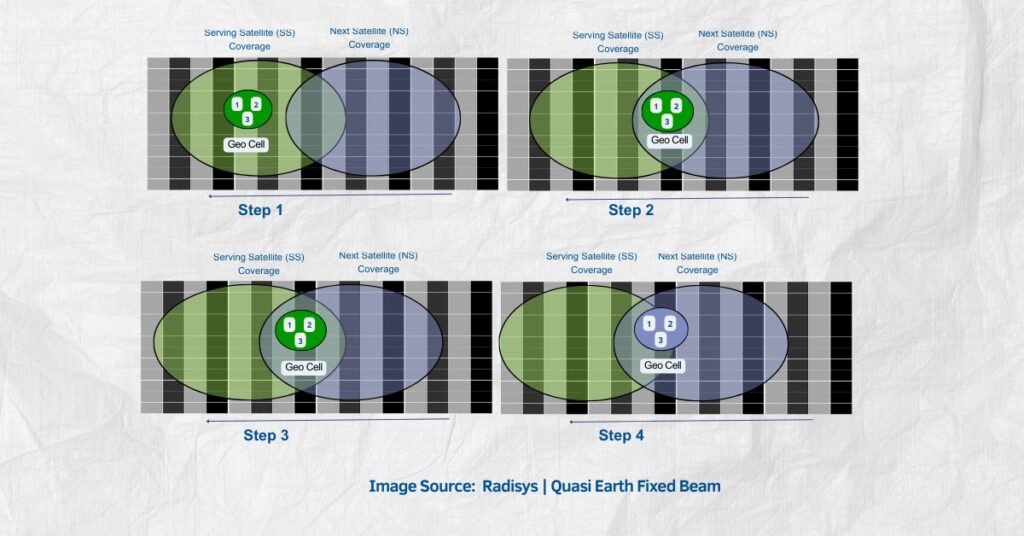
It summarizes key 5G NTN use cases including remote coverage extension, emergency communications, transportation and industrial applications. It outlines the main technical challenges for 5G NTN platforms, such as delay, Doppler and beam mobility, and highlights the mitigation approaches available within current standards.
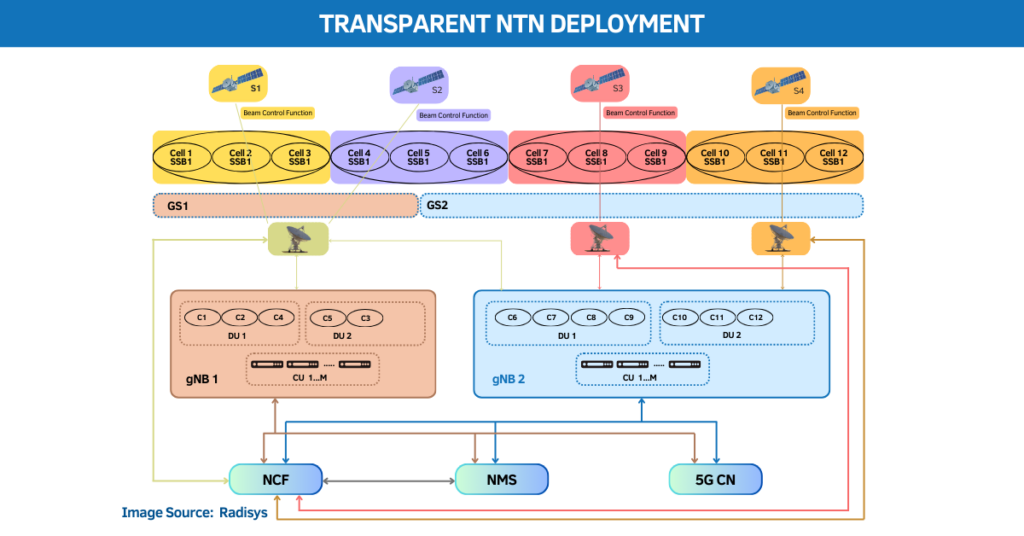
It also reviews relevant 3GPP developments, pointing to areas where SCF’s open interfaces, including FAPI and nFAPI, can support disaggregated multi-vendor interoperable 5G NTN solutions.
Case studies included in the paper illustrate early NTN demonstrations, showing how 5G access and user equipment can operate over satellite links and highlighting where improvements in satellite transport capacity will unlock further performance gains.
The paper identifies priority areas where SCF is now advancing specifications and deployment frameworks, including adding 5G NTN capabilities to upcoming FAPI releases and evolving shared infrastructure models for satellite integration. This work will give vendors and operators a clearer path to building 5G NTN systems that are interoperable and consistent with terrestrial networks.
The full paper is available now from SCF here: https://www.smallcellforum.org/docs/small-cell-and-non-terrestrial-networks/ and a webinar will be available soon.
Organizations interested in contributing to the next phase of this work can contact SCF to get involved. To find out more about the SCF work program, and how you can join SCF visit www.smallcellforum.org